2026 Top Quality Windows for Global Buyers?

Choosing quality windows in 2026 requires more than comparing glossy catalogs or the lowest quoted price. Global buyers face different climates, building codes, energy costs, and installation practices. A window that performs well in a cold northern city may struggle in humid coastal conditions. This guide examines frame materials, glass packages, seals, hardware, and verified performance data. It also considers practical details buyers often discover late, including shipping protection, replacement parts, local installers, warranty coverage, and after-sales support. Small details matter.

Reliable recommendations should connect laboratory evidence with field experience. Look for documented air leakage, water resistance, wind-load testing, thermal values, and safety information from recognized testing bodies. Compare the whole product, not glass alone. A low U-value means little if the frame, spacer, or installation creates cold edges and condensation. Impressive specifications cannot repair poor measuring or careless fitting. I will question broad “best window” claims and separate tested results from marketing language. Some conclusions may remain conditional because regional data and project needs vary. That is a limitation, not a reason to guess. The strongest choices balance durability, comfort, appearance, maintenance, responsible sourcing, and total ownership cost. Buyers should request current technical documents and confirm local compliance before ordering. Quality has a paper trail.
2026 Top Quality Windows for Global Buyers?

What Defines a Top-Quality Window in 2026?

In 2026, a top-quality window is more than a clean frame and attractive glass. During site inspections, I examine the whole system: frame, glazing, seals, hardware, and installation. A strong window should control heat, noise, air, and rain under local conditions. Numbers matter. Ask for verified thermal transmittance, solar heat gain, air leakage, and water resistance results. These figures should come from recognized testing procedures, not an unverified sales sheet. Requirements vary by country, so comparable documentation matters.

Glass selection deserves practical attention. Low-emissivity coatings can reduce heat transfer, while laminated glass can improve safety and sound control. However, darker or highly insulated glass may reduce daylight or alter indoor colors. The best specification balances comfort, energy use, daylight, and budget. Hardware should feel firm, operate smoothly, and resist corrosion near coasts. Small gaps often reveal poor fabrication.

Installation is where many excellent products lose performance. A frame must be level, sealed continuously, and drained correctly. I have seen costly windows fail because foam was used without proper weather sealing. That mistake is easy to miss. Buyers should request drawings, test reports, warranty terms, and maintenance guidance in clear language. No window is perfect. Even reliable systems involve trade-offs, and field conditions can expose weaknesses that laboratory tests cannot fully predict. A careful review of climate, wall design, glazing, and installer skill remains essential.

Key Window Materials and Their Performance Differences

2026 Top Quality Windows for Global Buyers?

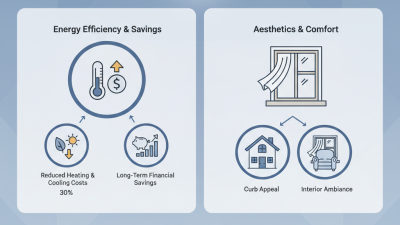
Material choice shapes a window’s insulation, durability, maintenance, and carbon profile. The U.S. Department of Energy reports that windows can cause 25–30% of residential heating and cooling energy use. That figure makes frame performance important, not decorative. uPVC offers low thermal conductivity and limited maintenance, but expansion can create installation problems in hot climates. Aluminum is strong, slim, and highly recyclable. Without a thermal break, however, it transfers heat quickly. Timber provides natural insulation and a warm appearance, though it needs careful sealing in humid or coastal regions. Fiberglass and composite frames resist movement well, but their supply and repair networks vary between markets.

Look beyond the material name. Compare whole-window U-value, solar heat gain coefficient, air leakage, and visible transmittance. The Passive House Institute commonly assesses high-performance windows near Uw 0.80 W/m²K or lower, while ISO 10077-1 provides methods for calculating thermal transmittance. NFRC labeling also helps buyers compare U-factor and solar heat gain under consistent conditions. In practice, glass, spacers, seals, and installation can change results dramatically. A technically excellent frame may perform poorly around an uninsulated reveal. Site experience repeatedly shows this weakness. Material rankings are not universal. Coastal salt, intense sunlight, freeze-thaw cycles, and local repair skills should influence the final specification. I would also question impressive laboratory figures when installation evidence is missing.

Energy Efficiency Standards for Global Climate Zones

2026 Top Quality Windows for Global Buyers?

Energy Efficiency Standards for Global Climate Zones

Window quality should begin with the climate, not appearance. In cold zones, select low U-factor values to reduce indoor heat loss. Warm regions need low solar heat gain coefficient values. Mixed climates require a careful balance between both measurements. A highly insulated window can still overheat a room if its glass admits excessive sunlight.

My early buying advice focused too much on U-factor. That was incomplete. In humid tropical areas, air leakage, water resistance, and condensation control deserve equal attention. Frames should tolerate strong sunlight, heavy rain, and frequent temperature changes. In dry, hot zones, exterior shading may improve comfort more than upgrading the glass alone. Small details matter.

Standards also differ between markets. North American projects commonly compare U-factor and SHGC, while European documents often use Uw and g-values. Buyers should check the local building code and request test reports from accredited laboratories. Look for verified thermal, air, and water performance. Ask whether ratings describe the whole window or only the glass. That distinction is easy to miss. No single specification suits every climate, building orientation, or installation method. A reliable choice combines certified data, experienced installation, and honest reflection about local weather.

Security, Durability, and Smart Window Technologies

2026 Top Quality Windows for Global Buyers?

Security, Durability, and Smart Window Technologies

High-quality windows should resist forced entry, harsh weather, and years of daily use. Laminated glass can remain partly bonded after impact, reducing dangerous shattering. Multi-point locks distribute pressure around the sash instead of relying on one latch. Strong frames matter too. Reinforced corners and corrosion-resistant hardware perform better in coastal air and humid climates.

Durability depends on more than thick materials. Proper drainage channels prevent water from collecting inside the frame. Reliable seals reduce drafts, dust, and indoor noise. Buyers should check wind-load ratings, thermal performance, and local installation requirements. A professional installer must measure the opening carefully. Even an excellent window can leak when the frame is twisted or poorly anchored.

Smart windows add useful control, but technology needs practical testing. Opening sensors can alert occupants when a window is left unsecured. Glass-break detection may support a wider security system, while motorized shading can reduce afternoon heat. Local controls are valuable during internet outages. They also limit unnecessary data sharing. Check battery access, manual overrides, software support, and repair options before purchase. No window is maintenance-free. Smart features can fail. A simple manual inspection still catches loose handles, worn seals, and blocked drainage.

How Global Buyers Can Compare Suppliers and Products

For global buyers, choosing top-quality windows in 2026 means comparing evidence, not polished catalog images. During supplier audits, I examine production records, material samples, and testing procedures. A reliable supplier should explain its profile alloy, glass composition, sealant, and hardware sources clearly. Vague answers deserve careful attention.

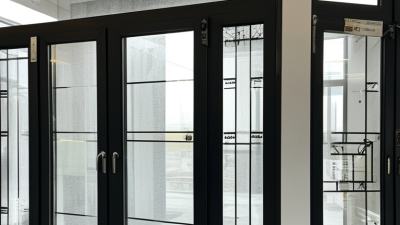
Compare products through measurable performance. Check U-value, solar heat gain, air leakage, water resistance, and wind-load results. Ask whether tests came from an accredited laboratory and match the exact window model. A showroom sample may feel solid, yet poor packaging can cause scratched frames or broken glass during shipping. Request photos of corner protection, pallet design, and container loading.

Supplier capacity matters as much as product quality. Review inspection stages, worker training, replacement-part access, and realistic production times. Ask for recent project references in climates similar to yours. Communication speed also reveals operational discipline. One overlooked detail is after-sales responsibility; clarify who handles defects, documentation, and technical questions across time zones. I have seen attractive quotations hide inconsistent tolerances. Even careful buyers can miss this. A written inspection plan, approved sample, and independent pre-shipment check reduce that risk, although they cannot replace practical judgment.

2026 Top Quality Windows for Global Buyers

How Global Buyers Can Compare Suppliers and Products

The chart compares representative thermal transmittance values for common window configurations. U-factor is measured in W/m²·K; a lower value indicates better insulation and typically lower heat transfer. Global buyers should also verify SHGC, visible transmittance, air leakage, water tightness, acoustic performance, test standards, and independent certification when comparing suppliers.

Reference values represent commonly published performance ranges for standard window configurations and are not supplier-specific claims. Actual results vary by frame material, glazing, spacer, size, and test method.