2026 Best Window Installation Options for Every Budget?
Choosing new windows in 2026 is not just a style decision. It is a choice about upfront cost, comfort, energy use, and installation quality. A low quote may look appealing beside a drafty kitchen window, but the written scope matters: Does it include removal, flashing, sealing, trim, and disposal?
The U.S. Department of Energy advises that energy-efficient windows can reduce household energy costs, though actual savings depend on climate, home design, and existing windows. ENERGY STAR’s residential window guidance also helps homeowners compare products by climate zone rather than relying on labels alone. These are useful starting points, not promises of a fixed payback. Your results may differ.
Building scientist Joe Lstiburek is often quoted saying, “Windows are holes in walls.” The line is blunt, but it captures a real installation concern: even a high-performing unit can disappoint when water and air sealing are poorly handled. Look closely at details around the frame, not only the glass.
This guide compares window installation options across practical budget levels, from basic replacement units to higher-performance choices. It will consider materials, labor, efficiency ratings, and the condition of the existing opening. Some homes need more than a standard swap. That can change the price. Use the comparisons to prepare better questions for contractors, then verify local estimates and product specifications before deciding.
Window Installation Methods and How They Differ
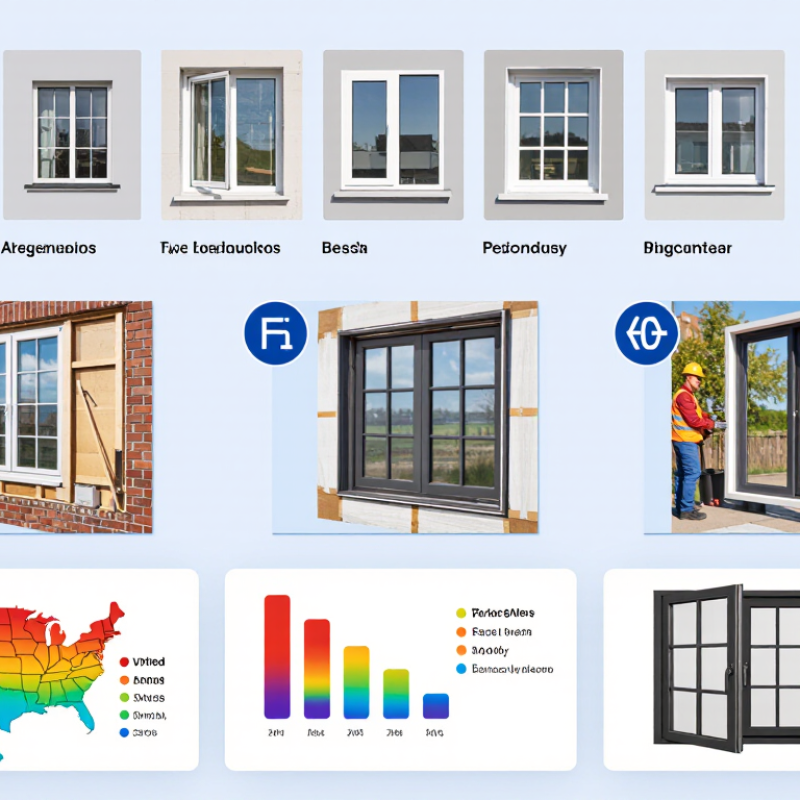
Window installation methods differ mainly in how much of the existing frame comes out. An insert, or pocket replacement, fits a new unit inside a sound existing frame. It usually disturbs less trim and interior finish, so labor and cleanup may be lower. But it can slightly reduce glass area, and it depends on the old frame being dry, square, and solid. Check corners carefully.
Full-frame installation removes the sash, frame, and often interior or exterior trim back to the opening. Installers can inspect hidden wood, repair damage, and apply flashing around the opening. That access can improve water management, but it often means more labor, patching, and repainting.
A flanged new-construction window is commonly fastened at the wall opening and integrated with the water-resistive barrier. It suits many new builds or projects with siding removed; details vary by wall design.
For budgeting, compare the work included in each quote: removal, disposal, flashing, insulation, trim, and exterior repairs. Ask how the installer will manage drainage and seal gaps; foam alone is not a complete flashing plan. I would not choose an insert only because it costs less. If moisture has softened the sill, keeping the old frame may hide a problem. A careful inspection can change the estimate.
Window Materials, Styles, and Performance Factors
Choosing window materials starts with the home, not a trend. Vinyl frames usually need little upkeep and can suit tighter budgets. Fiberglass tends to resist swelling and temperature changes, though its initial cost may be higher. Wood offers a warm, paintable finish, but exposed surfaces need regular care. Details matter.
Style affects both appearance and daily use. Double-hung windows allow ventilation from the top or bottom, while casement windows open wide for airflow. Sliding units can work well where an outward-opening sash would hit a walkway. Before choosing, check the rough opening and nearby furniture; a beautiful window can still be awkward to operate.
Performance labels help compare options, but they are not the whole story. A lower U-factor generally indicates better insulation, while the solar heat gain coefficient matters in sunny rooms. Low-emissivity glass can reduce heat transfer, and properly sealed installation helps limit drafts. Ask for ratings suited to your climate, then confirm what the quote includes: flashing, insulation, trim, and disposal. I would not judge a window by glass ratings alone; installation quality is harder to compare, yet a small gap can bring a cold line of air across the sill.
2026 Best Window Installation Options for Every Budget? - Window Materials, Styles, and Performance Factors
The figures below are general U.S. planning estimates for standard replacement windows, including professional installation. Actual prices, energy ratings, service life, and availability vary by window size, glass package, region, and installation conditions.
| Frame Material |
Typical Installed Cost per Window (USD) |
Typical Service Life |
Common Whole-Window U-Factor Range* |
Maintenance and Best Fit |
| Vinyl |
$400–$900 |
20–40 years |
About 0.20–0.35 |
Low maintenance; often a practical choice for value-focused projects and moderate climates. |
| Aluminum |
$500–$1,200 |
20–40 years |
About 0.25–0.45; thermally broken frames can perform better |
Durable and slim-profiled; thermal-break design is important in hot or cold climates. |
| Fiberglass |
$700–$1,500 |
30–50 years |
About 0.20–0.30 |
Stable through temperature changes and generally low maintenance; a strong all-around performance option. |
| Wood |
$800–$1,800 |
30–50 years with proper care |
About 0.20–0.35 |
Natural appearance and good insulating potential; painted or stained surfaces need periodic upkeep. |
| Composite |
$600–$1,300 |
25–45 years |
About 0.20–0.30 |
Performance depends on the frame formulation; typically offers low upkeep with a mid-to-premium price. |
Common Window Styles
| Style |
How It Opens |
Typical Advantages |
Budget and Practical Notes |
| Single-hung |
Bottom sash moves vertically; top sash is fixed. |
Simple design and fewer moving parts. |
Often among the more affordable operable styles. |
| Double-hung |
Both sashes move vertically. |
Flexible ventilation; many models tilt inward for cleaning. |
Common replacement choice; price depends on frame and glass options. |
| Casement |
Hinged at the side and opened with a crank. |
Opens widely for ventilation; compression seals can help limit air leakage when closed. |
May cost more than basic hung styles and needs clearance to open. |
| Sliding |
One or more sashes slide horizontally. |
Does not project outward; convenient for wide openings. |
Track maintenance and sash overlap can affect cleaning and sealing. |
| Fixed / picture |
Does not open. |
Large unobstructed views and no operable sash hardware. |
Often cost-effective for a large glazed area; provides no direct ventilation. |
| Awning |
Hinged at the top and opens outward from the bottom. |
Can provide ventilation during light rain when appropriately installed. |
Useful for smaller openings; confirm exterior clearance. |
Performance Factors to Compare
| Factor |
What It Measures |
How to Use It |
| U-factor |
Rate of heat transfer through the whole window; lower values indicate better insulation. |
Compare certified whole-window ratings, especially in heating-dominated climates. |
| Solar Heat Gain Coefficient (SHGC) |
Fraction of solar heat admitted through the window; lower values reduce solar heat gain. |
Consider lower SHGC where cooling and sun exposure are major concerns; climate and orientation matter. |
| Air leakage |
Air passing through joints in a closed window; lower rated leakage generally indicates a tighter unit. |
Check the product rating and ensure the opening is properly sealed during installation. |
| Glazing and gas fill |
Double- or triple-pane glass, low-emissivity coatings, and gas between panes affect heat flow and comfort. |
Choose a package suited to local climate, condensation concerns, and budget. |
| Installation quality |
Fit, flashing, drainage, insulation, and air sealing around the frame. |
A well-rated window can underperform if it is poorly installed; request a written scope and warranty details. |
*U-factor ranges are approximate examples, not guarantees. Ratings vary by product configuration, glass package, frame, and test size. Verify the exact whole-window rating and local energy-code requirements before purchasing.
How to Compare Quotes, Warranties, and Installer Credentials
Window quotes can look similar while covering very different work. Ask each installer to specify the same window material, glass features, measurements, trim work, and disposal. Confirm whether labor, cleanup, and any needed permits are included. If one estimate is much lower, ask what it excludes; a low price can become an expensive surprise. Get the project schedule and payment milestones in writing.
Tips: Put quotes side by side. Check product and labor warranties separately, including duration, exclusions, and who handles claims. Keep copies.
Read the warranty before signing, not after a problem appears. Ask whether labor coverage differs from product coverage and what could void either one. Verify that the installer has applicable local credentials and insurance, and request recent references for similar homes. A certificate alone does not show workmanship quality. It is easy to overvalue a polished presentation; clear written answers and consistent details matter more. If a promise sounds vague, ask for it in writing. There may still be uncertainty around hidden damage once old frames come out, so ask how additional work is priced and approved.
Steps for Planning and Completing a Window Installation
A successful window installation begins with a clear budget and careful measurements. Compare the cost of replacement windows, labor, trim, and possible repairs to the surrounding frame. Measure each opening at the top, middle, and bottom, then use the smallest width and height. Measure twice. An uneven opening can change the fit, even when the old window looks square. Decide whether the existing frame can remain or needs full replacement; hidden rot may affect that choice.
Before ordering, check the window’s installation instructions and local building requirements. Note the room’s needs, too: a bedroom may benefit from better sound control, while a sunny room may need stronger heat protection. I might still overlook a detail on paper, so confirm dimensions and delivery dates before removing an old unit. Keep furniture covered, and have basic tools, shims, flashing, and sealant ready.
Remove the old sash and trim carefully, then inspect the exposed framing for moisture or damage. Prepare the opening with appropriate flashing, set the new window, and check that it is level, plumb, and square. Small adjustments matter. Fasten it as directed, insulate gaps with low-expansion foam, and seal the exterior joints. Finally, open and close the sash several times, check the locks, and look for drafts or water entry after the first rain.