7 Best Custom Made Sliding Doors for Your Home?
A sliding door can make a compact room feel brighter and more open. The right design also frames a garden view, connects indoor and outdoor spaces, and saves room where a hinged door would swing. But appearance is only part of the decision. Glass, frame material, track design, and installation quality affect everyday comfort.
The U.S. Department of Energy’s Energy Saver guidance estimates that heat gain and loss through windows account for about 25%–30% of residential heating and cooling energy use. That figure concerns windows, not sliding doors specifically, but it shows why glazing and insulation deserve careful attention. Compare energy ratings, ask how the door will perform in your climate, and check that its panels suit the opening. Small details matter. A smooth track feels effortless; a poorly fitted one can collect grit and become frustrating.
This guide explores seven types of custom made sliding doors, from classic patio designs to modern, space-conscious options. Each brings different trade-offs in light, privacy, durability, and maintenance. A slim frame may look elegant, yet it may not suit every home or budget. Measure twice. And remember: a door that looks perfect in a showroom can feel different beside your own furniture, flooring, and afternoon sun. The best choice is the one that works beautifully in real life.
How Custom-Made Sliding Doors Work and Where They Fit
Custom-made sliding doors begin with the opening, not a standard panel. A measurer checks its width, height, wall condition, and floor level. The maker then specifies panel dimensions, frame, infill, and track type. Some systems hang from an upper rail; others roll along a floor track. That choice affects clearance, cleaning, and the support required from the wall or floor. Small details matter.
In a narrow bedroom, a slider can avoid the swing arc of a hinged door. It can also separate a kitchen nook or wardrobe without taking up extra floor area. Leave enough wall space for the panel to travel, or consider a pocket door if the wall allows it. Check handles, skirting boards, sockets, and curtains before ordering; any can obstruct movement. Poor measurement is costly. Glass can share light between spaces, but fingerprints and privacy deserve thought. Opaque panels feel more private, though they may darken an adjoining area. A custom fit is not automatically a perfect fit. Have an installer verify fixing points, track access, and clearances on site.
Seven Custom-Made Sliding Door Designs for Different Home Spaces
Custom-made sliding doors can solve awkward layouts, but each design suits a different room. A recessed pocket door frees floor space in a narrow ensuite. Specify serviceable rollers; hidden hardware can be harder to repair. A surface-mounted barn door adds character to a study, though it offers limited sound privacy. For wide closets, a bypass design lets panels slide past each other without blocking the walkway. Measure twice.
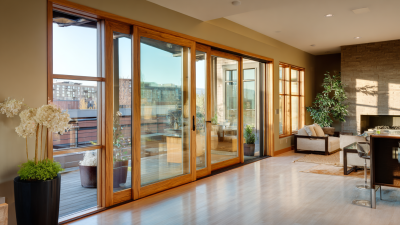
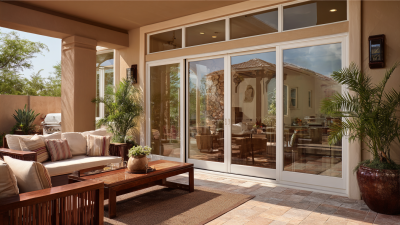
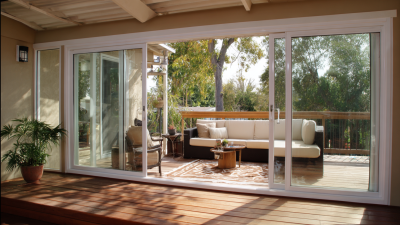
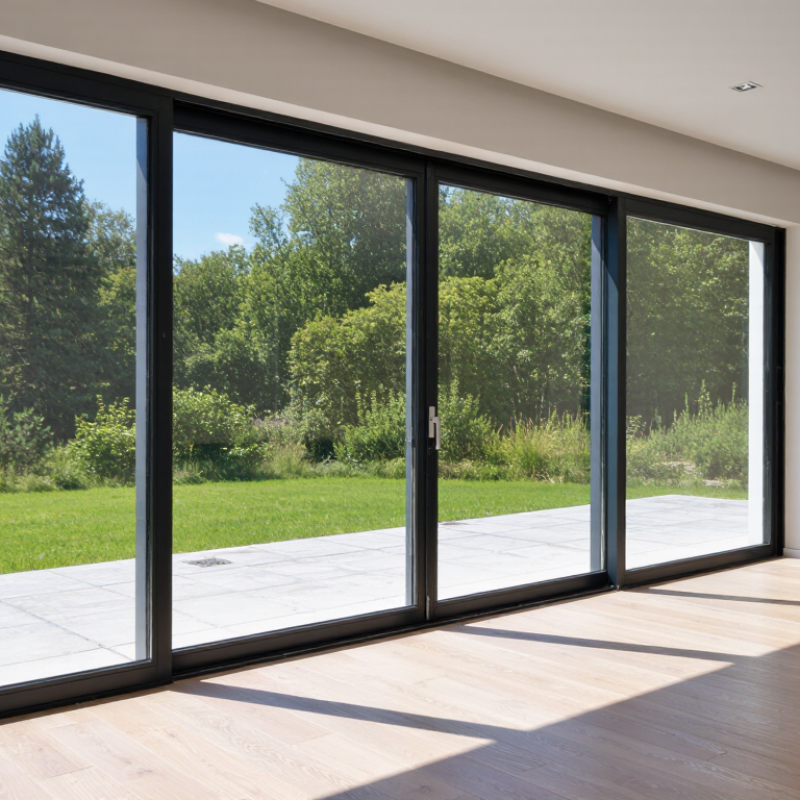
For patios, a glazed sliding door brings daylight into living spaces. Choose suitable glazing and weather seals for your climate. A stacking design moves several panels to one side, creating a wider opening when space allows. A corner-opening system can connect two outdoor views, but needs careful structural planning. Inside, a glazed room divider separates a home office without making it feel boxed in. A slim-frame partition suits smaller rooms. Not always.
For each option, check wall depth, floor level, handle clearance, and the route panels take when open. The U.S. Department of Energy’s Energy Saver guidance estimates that windows account for about 25–30% of residential heating and cooling energy use; this is not a sliding-door-specific figure, but it highlights why large glazed areas deserve careful specification. Ask a qualified installer to verify measurements, safety glazing, and local energy requirements before ordering. Even a beautiful door can disappoint if its open panels crowd the furniture.
How to Compare Door Materials, Glazing, Tracks, and Hardware
When comparing custom sliding doors, start with the frame material, not its color. Thermally broken aluminum can feel slim and rigid, while wood offers a warmer interior but needs more upkeep. Vinyl may reduce maintenance, though frame strength and available sizes vary. Ask for the full assembly’s thermal ratings, not just a glass specification.
Glazing deserves careful attention. The U.S. Department of Energy’s Energy Saver notes that heat gain and loss through windows accounts for 25–30% of residential heating and cooling energy use. That figure is about windows, not every sliding door, but it shows why large glazed areas matter. Compare U-factor and solar heat gain coefficient on NFRC labels; lower U-factor generally means less heat transfer. Match the glass to your climate and sun exposure. More panes are not automatically better.
Then inspect the track and hardware in person. A smooth panel should move without rattling, scraping, or needing a hard shove. Look for drain paths, replaceable rollers, sturdy locks, and seals that meet evenly at the meeting stile. Ask how often tracks need cleaning. Small detail, big difference. I would not judge a door by a showroom glide alone; installation tolerances and a slightly uneven threshold can change how it performs at home.
How to Choose a Door for Your Space, Privacy, and Budget
A custom sliding door should fit the way you live, not just the opening. Measure the width and height at several points, since older walls and floors are rarely perfectly straight. Check where the panel will slide: a light switch, radiator, or nearby furniture can block its path. Pocket doors save wall space, but they need room inside the wall and can be harder to retrofit. Surface-mounted doors are simpler to install, though the exposed track becomes part of the room’s look.
Privacy matters. For a bedroom or bathroom, choose a solid panel and ask how well its edges reduce gaps; most sliding doors do not seal like hinged doors. Frosted glass can brighten a hallway while obscuring clear views, but it offers less sound privacy than a solid core. Compare the full cost, including tracks, handles, delivery, and installation. Custom sizing may reduce awkward gaps, but special materials or hardware can raise the price. It is easy to focus on the panel and overlook the track.
Tips: Put painter’s tape on the floor to mark the panel’s travel. Open and close that space with your usual furniture in place. Ask for written dimensions, material details, and hardware specifications before ordering. Then check the measurements once more. A small mistake can be costly.
Measuring, Installing, and Maintaining Custom Sliding Doors
Custom sliding doors fit well only when measurements reflect the finished opening, not rough framing. Measure the width at the top, middle, and bottom, then use the narrowest reading. Check the height on both sides and in the center. Measure twice. Check again. Note uneven floors, trim, and nearby switches that could interfere with the panels. A level and a long straightedge can reveal a wall that looks flat but is not. Confirm the door’s overlap, handle clearance, and track capacity before ordering; heavy glass panels need properly supported hardware. Small measurement errors can leave visible gaps, and correcting them later may be difficult.
During installation, follow the hardware instructions and keep the track level. Use suitable anchors for the wall or header, and ask a qualified installer to assess uncertain framing or heavy panels. Don’t force a panel into place. It should glide without scraping. After installation, vacuum grit from the track and wipe it with a soft, damp cloth. Check rollers, stops, and fasteners periodically for looseness or wear. Avoid harsh cleaners and excess lubricant, which can attract dust or damage finishes. One easy detail to overlook is the floor guide; if it shifts, the door may wobble even when the top track seems fine. A brief inspection every few months can catch that early.