Best Doors and Windows for Your Home Renovation Needs?
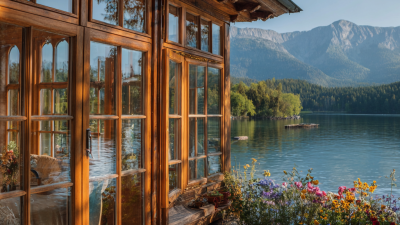
When planning a home renovation, choosing the right doors and windows is essential. Expert architect John Smith emphasizes, "Quality doors and windows transform a home." These elements are not mere fixtures; they enhance aesthetics and functionality. A well-chosen door invites guests, while windows frame your views and light up spaces.
It's surprising how often homeowners overlook the importance of these features. Many focus solely on paint colors or furniture arrangements. Yet, doors and windows play a critical role in energy efficiency, safety, and style. Neglecting their impact can lead to regrets once the renovation is complete.
Selecting the right doors and windows requires careful consideration. Custom options offer unique designs that match your personality and needs. However, it’s vital to balance personalization with functionality. Some might enter a renovation wanting everything perfect, only to find they need to compromise on budget or practicality. As you embark on this journey, consider how these choices will resonate long after the project finishes.
Choosing the Right Materials for Doors and Windows
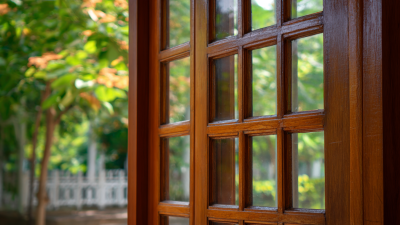
When renovating your home, choosing the right materials for doors and windows is essential. Different materials offer unique benefits. For instance, wood can add warmth and character. However, wood requires maintenance and can be prone to warping. Vinyl, on the other hand, is durable and easy to clean. It resists moisture but may lack the charm of traditional designs.
Consider energy efficiency as well. Double-glazed windows can reduce heat loss. This helps to lower your utility bills. However, they can be pricier upfront. Think about your climate and surroundings. For coastal areas, materials that resist salt and corrosion are crucial. Sometimes, balancing aesthetics and functionality can be challenging.
While popular choices exist, there’s no one-size-fits-all solution. You might find that certain materials don't fit well with your home’s style. Reflection is vital. Take time to weigh the pros and cons of each option. Don't hesitate to seek advice from professionals. Their expertise can guide you in making informed decisions that suit your specific needs.
Understanding Energy Efficiency Ratings for Home Renovation
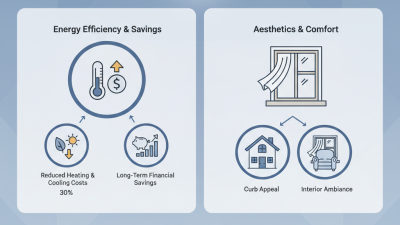
Energy efficiency is crucial in home renovations. Windows and doors with superior ratings can significantly impact your home’s energy use. According to the U.S. Department of Energy, efficient windows can reduce energy bills by 12%. Selecting products with a high Energy Star rating is essential. These ratings indicate lower energy consumption, making your home more sustainable.
Windows and doors are measured by various efficiency ratings. The U-factor, Solar Heat Gain Coefficient (SHGC), and Visible Transmittance (VT) are key metrics. A lower U-factor means better insulation. For instance, a U-factor of 0.30 is common for energy-efficient windows. In contrast, SHGC reflects how much solar heat enters a home. Ideal SHGC values should be between 0.25 and 0.40, depending on your climate.
However, efficiency isn't the only consideration. Aesthetic appeal and material durability also matter. Homeowners often face a balance between visual appeal and energy performance. Not every high-efficiency window will fit all home styles. Sometimes, the right choice may involve trade-offs. It’s important to weigh these factors carefully to achieve an optimal outcome.
Popular Styles of Doors and Windows for Modern Homes
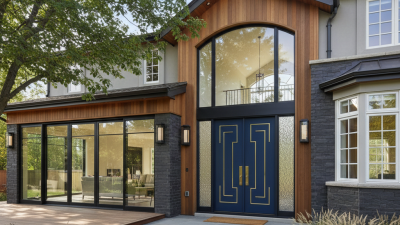
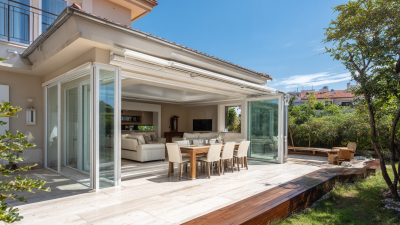
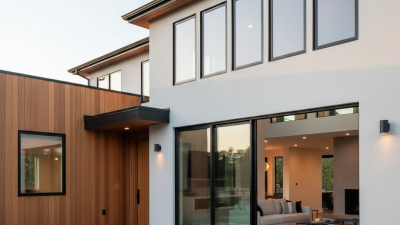
When renovating your home, selecting the right doors and windows is crucial. Modern designs often emphasize sleek lines and functionality. Sliding doors, for example, create a seamless transition between indoor and outdoor spaces. They invite natural light, enhancing the overall atmosphere.
Additionally, casement windows have become popular for their energy efficiency. They open outward, offering excellent ventilation. Some homeowners prefer oversized windows, allowing for expansive views of their surroundings. This style not only improves aesthetics but also connects residents with nature.
However, not every choice is perfect for every home. Some styles may clash with existing architecture. It's important to consider the overall design language. Choosing doors and windows that reflect your personal taste while maintaining harmony with your home's style is key. Thoughtful selection can lead to a beautiful and inviting space.
Best Doors and Windows for Your Home Renovation Needs? - Popular Styles of Doors and Windows for Modern Homes
| Type |
Material |
Energy Efficiency Rating |
Style |
Typical Price Range |
| Entry Door |
Steel |
A+ |
Modern |
$500 - $1,200 |
| Sliding Patio Door |
Vinyl |
A |
Contemporary |
$800 - $1,800 |
| Double-Hung Window |
Vinyl |
A++ |
Traditional |
$300 - $700 |
| Casement Window |
Aluminum |
A+ |
Modern |
$400 - $900 |
| French Door |
Wood |
A |
Classic |
$600 - $1,500 |
Installation Considerations: Factors to Keep in Mind
When considering new doors and windows for your home renovation, installation is crucial. Each opening in your home has specific dimensions and structural nuances. A poorly installed door can lead to gaps that invite drafts. Windows require precise alignment to ensure they are watertight. These details matter significantly.
You should evaluate the materials used in your chosen doors and windows. Wood, fiberglass, and vinyl have different properties. For instance, wood offers a classic look but needs regular maintenance. In contrast, vinyl can be low-maintenance yet might not suit all aesthetics. It can be hard to balance style and practicality.
Assessing your home’s climate is also vital. Areas with extreme weather may need specialized windows. Opt for energy-efficient glazing if you live in colder regions. It can be challenging to navigate these decisions. Consulting a professional installer can provide insights tailored to your needs. Always ask questions about potential future issues. Consider how each option will age over time.
Best Doors and Windows for Your Home Renovation Needs
This chart illustrates the average installation costs and energy efficiency ratings for different types of doors and windows commonly considered for home renovations.
Budgeting Your Renovation: Costs of Doors and Windows
Renovating your home can be exciting, but budgeting is essential.
Doors and windows are key components that significantly impact both aesthetics and energy efficiency.
According to the 2021 Remodeling Cost vs. Value Report,
homeowners typically spend around $1,000 to $2,500 for new window installations.
The costs can vary based on materials and features, leading to potential surprises if you're unprepared.
When selecting doors, expect to spend between $500 and $2,000.
This includes installation fees. Entry doors tend to be on the higher end.
Opting for energy-efficient models may cost more upfront, but they can lower your utility bills over time.
A study by the Efficient Windows Collaborative showed that energy-efficient windows can save a homeowner an average of $400 per year in energy costs.
It’s also vital to consider hidden costs. For instance, improper measurements can lead to project delays and additional expenses.
Choosing low-quality options might save money initially but potentially result in more costs down the road.
Always plan for the unexpected, as renovation projects often reveal underlying issues that need addressing.
Being aware of these potential setbacks helps manage your renovation budget more effectively.