Best Storm Windows for Your Home in 2026?
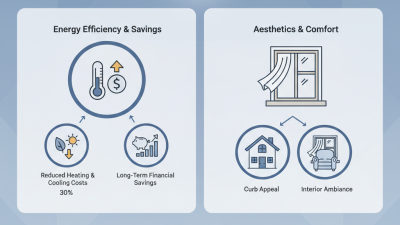
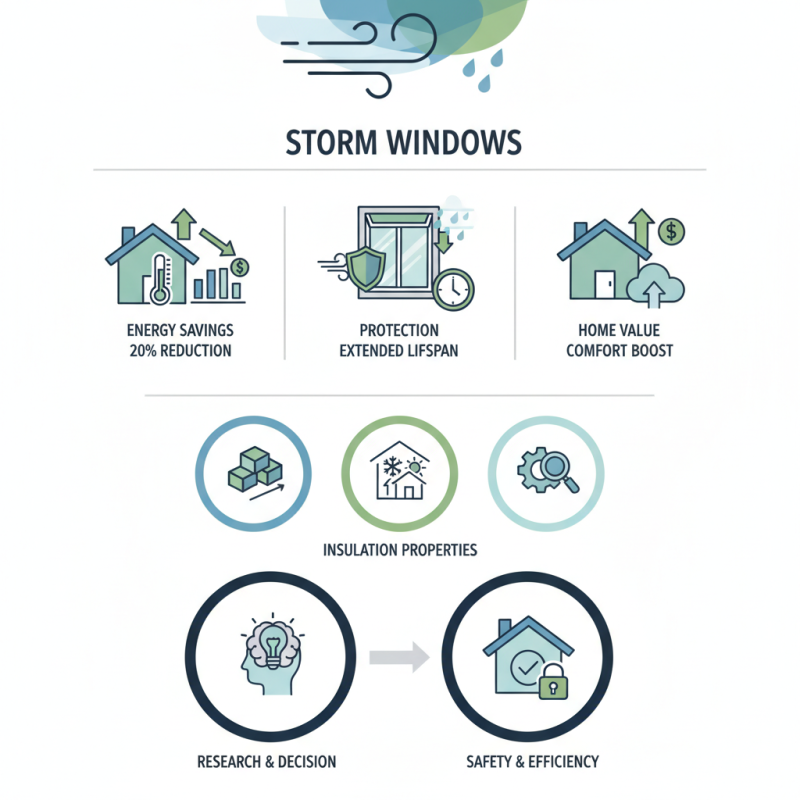
As extreme weather events become more common, investing in storm windows has never been more critical. According to industry reports, homes equipped with storm windows can reduce energy costs by up to 20%. This statistic highlights the financial and environmental benefits of upgrading your home. Moreover, storm windows provide essential protection against harsh climates, prolonging the lifespan of your windows.
It's important to note that not all storm windows are created equal. The material, design, and insulation properties vary significantly. Homeowners often overlook these details, leading to suboptimal choices. In 2026, consumers must focus on reputable manufacturers and products that meet stringent energy efficiency standards.
A well-chosen storm window boosts home value and comfort. Yet, the decision can be overwhelming. Many products present aesthetic and functional challenges. Hence, understanding the specifics of each option is vital. Investing time in research will ultimately pay off, ensuring safety and efficiency for your home.
Best Storm Windows for Your Home in 2026: A Comprehensive Guide
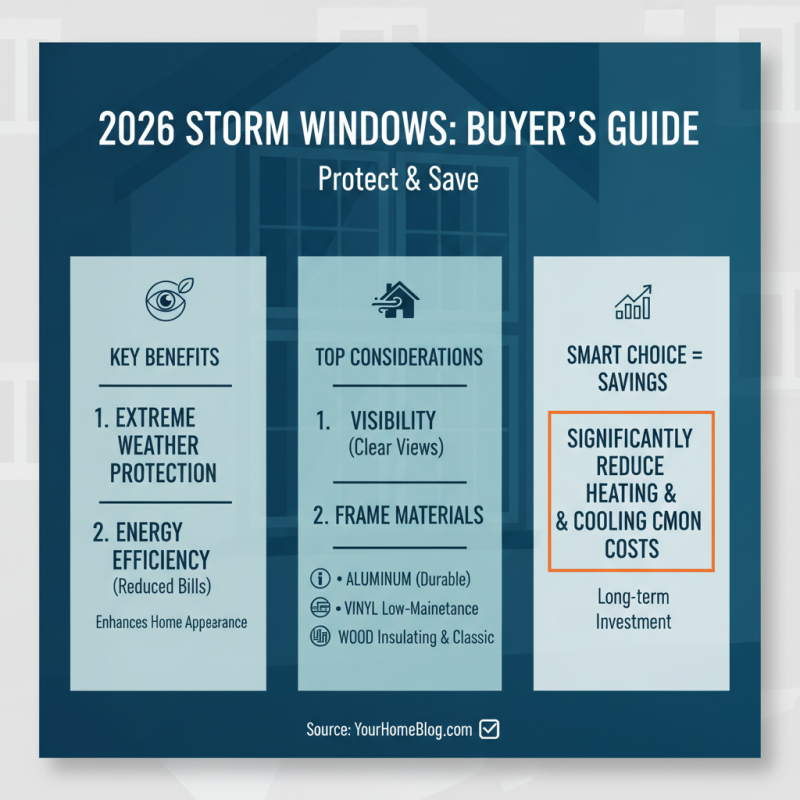
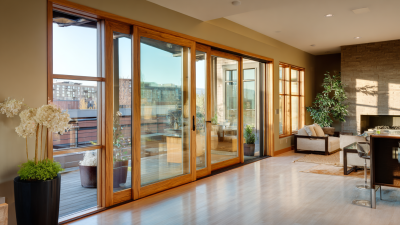
When choosing the best storm windows for your home in 2026, consider visibility and energy efficiency. These windows protect against extreme weather while also enhancing your home’s appearance. A well-designed storm window can reduce heating and cooling costs significantly. Pay attention to frame materials. Aluminum, vinyl, and wood each have unique strengths.
Tips for selecting storm windows include checking the insulation value. A higher R-value indicates better insulation, which is crucial in areas with harsh weather. Look for windows that are easy to install and maintain. This can save you time and money over the years.
Don’t overlook the importance of reviews from homeowners. Many factors can influence your choice, like cost and aesthetics. Keep your budget in mind. Sometimes the most expensive option isn't the best. Be cautious—too many features can lead to confusion. Aim for a balance of quality and functionality to ensure durability.
Understanding the Different Types of Storm Windows Available
When considering storm windows for your home, it's essential to understand the various types available. Each type has unique attributes that can greatly impact energy efficiency and protection. According to a 2023 report by the U.S. Department of Energy, homes with storm windows can reduce heat loss by up to 50%. This is a significant figure and should not be overlooked when making your choice.
There are three main categories of storm windows: exterior, interior, and combination. Exterior storm windows are designed to be mounted outside your existing windows. They provide a robust barrier against wind and rain. Interior storm windows, on the other hand, are installed inside your existing frames. They are often easier to manage but may not offer the same level of protection. Combination storm windows provide the best of both worlds, offering exterior durability and interior convenience.
Choosing the right type involves understanding your home's specific needs. Not all storm windows are equally effective in every climate. A 2022 study found that in regions experiencing extreme weather, exterior options were 40% more effective than their interior counterparts. Reflecting on this data, homeowners should assess their geographic challenges seriously. The right storm window can make a substantial difference but requires thoughtful consideration of your local climate and environment.
Best Storm Windows for Your Home in 2026
Key Features to Consider in Selecting Storm Windows for Your Home
When selecting storm windows for your home, key features should guide your decision. Energy efficiency is paramount. According to the U.S. Department of Energy, storm windows can reduce heating costs by 12% to 33%. Look for windows with low-E coatings. These coatings help manage heat flow. Enhanced insulation can make a significant difference in comfort and energy bills.
Durability is another important consideration. Strong frames resist harsh weather. Look for impact-resistant materials, especially if you live in hurricane-prone areas. Studies reveal that homes with robust storm windows can withstand winds up to 150 mph. This can be critical in reducing damage and improving safety.
Aesthetics can also influence your choice. Many homeowners desire a balance between functionality and style. It may be challenging to find options that suit both needs. Custom options often come at a higher cost. Reflect on your budget and long-term goals. While quality storm windows may seem expensive, their longevity can lead to savings over time.
Energy Efficiency Ratings: How They Impact Your Window Choice
When choosing storm windows, energy efficiency ratings are crucial. These ratings indicate how well windows can insulate your home. High-performing windows save you money on energy bills. Modern designs often achieve impressive energy ratings. You might wonder if investing in high-rated windows is worth it.
It's important to consider your area's climate. In colder regions, the right windows improve heating significantly. In warmer climates, windows with solar heat gain reduction become essential. Every rating offers unique benefits, but not all windows suit every home.
Think about installation and maintenance. Improperly installed windows can underperform, even if they have high ratings. Regular maintenance is also key to maintaining efficiency. Sometimes, less expensive options are more effective for your specific needs. Experimenting with various styles can lead to better overall comfort.
Installation Costs and Long-Term Benefits of Storm Windows
Installing storm windows can be a significant investment for homeowners. The installation costs typically range between $300 to $1,200 per window, depending on the size and materials. While this may seem steep, the long-term benefits can be substantial. Storm windows improve energy efficiency, lowering heating and cooling bills by up to 20%. They also reduce noise pollution, providing a quieter living environment.
In addition to energy savings, storm windows enhance home value. Many buyers appreciate homes that are energy-efficient and well-insulated. These windows act as an extra barrier against extreme weather, protecting your property from potential damage. Yet, it’s essential to consider installation quality. Poorly installed windows may lead to air leaks and moisture problems. Regular maintenance is crucial to prevent these issues. Ensuring that your storm windows are properly sealed and inspected can maximize their benefits. Investing in storm windows can significantly impact your home's comfort and efficiency over the years.
Best Storm Windows for Your Home in 2026
| Type of Storm Window |
Installation Cost (per window) |
Energy Efficiency Rating |
Material |
Average Lifespan |
Long-Term Benefits |
| Vinyl |
$300 |
Energy Star Rated |
Vinyl |
20 years |
Low maintenance, high insulation |
| Aluminum |
$400 |
Moderate |
Aluminum |
30 years |
Durable, resistant to rust |
| Wood |
$500 |
High |
Wood |
25 years |
Aesthetic appeal, excellent insulation |
| Fiberglass |
$600 |
Energy Star Rated |
Fiberglass |
30 years |
Highly energy-efficient, low maintenance |
Conclusion
In the quest for the best storm windows for your home in 2026, this comprehensive guide explores the various types available and the essential features to consider when making your selection. Understanding energy efficiency ratings is crucial, as these ratings significantly affect your window choice and long-term savings.
Additionally, the article delves into installation costs and the long-term benefits that storm windows can provide, ensuring homeowners make informed decisions. A comparative analysis of the leading storm window options available in 2026 enables readers to weigh their choices effectively, focusing on performance and value to enhance their home's resilience and energy efficiency.