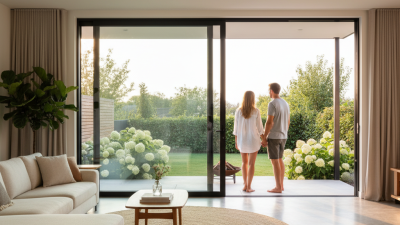
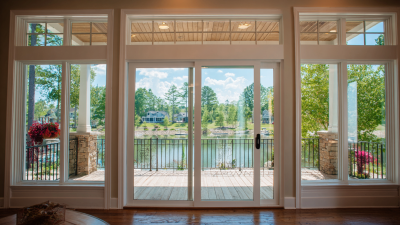
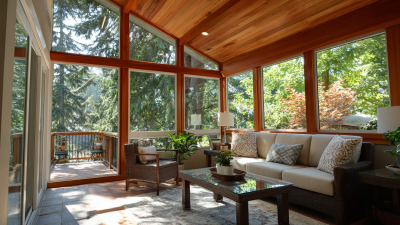
Choosing patio doors with windows is not only a style decision. It affects daylight, ventilation, insulation, security, and daily comfort. A beautiful glass door can still feel cold if its frame leaks air or its seal fails.
In a south-facing room, large panes may brighten the floor while increasing summer heat. Low-emissivity glass can help control that exposure. Double glazing often offers a practical balance between comfort and cost. Triple glazing may suit colder climates, but it adds weight and expense. Small details matter. Check the frame material, drainage holes, locking points, and threshold height. A smooth track should not rattle when the door moves.
Think about how your household uses the space. A sliding design can preserve furniture space, while French or folding doors may create a wider opening. Measure the wall carefully, including trim and interior flooring. Looks can deceive. A narrow sightline may reduce privacy, and clear glass may show every fingerprint.
Reliable choices come from comparing tested performance data, not relying on photographs alone. Look for verified energy ratings, warranty coverage, replacement-part availability, and installation guidance. An experienced installer should inspect the opening for moisture damage before fitting anything. Local weather also matters. Coastal homes may need corrosion-resistant hardware, while windy areas require strong locking systems.
There is no perfect patio door. The best option depends on your climate, budget, room layout, and maintenance tolerance. I would also question dramatic claims about “maximum efficiency” without reviewing the full product specification. This guide will help you compare materials, glass types, opening styles, security features, and installation concerns with clearer expectations.
Choosing patio doors with windows starts with the room, not the glass. Measure the rough opening at the top, middle, and bottom. Walls can shift slightly over time. Record the smallest measurement. Also note the ceiling height, nearby furniture, and the direction of sunlight. A door that looks perfect online may crowd a sofa or block a walkway.
Think about how you use the space each day. Sliding doors need clear wall space for their panels, while hinged doors require a safe swing area. Do children, pets, or older adults use this entrance? A low threshold may improve access, but it can also need careful water protection. Consider ventilation, privacy, and outdoor views together. Large windows bring brightness. They may also increase glare and summer heat.
Check the floor condition before choosing a frame size. An uneven surface can cause sticking, drafts, or poor locking. Weather exposure matters too, especially on windy or rainy elevations. Look for insulated glass, dependable seals, and hardware suited to frequent use. Local building requirements may affect safety glass, egress, and installation details. Ask a qualified installer to verify these points. It is easy to focus on attractive window patterns and overlook maintenance. Wiping fingerprints from several small panes takes longer than expected. Sometimes, a simpler design serves the room better.
Choosing patio doors with windows starts with movement, climate, and daily use. Sliding doors save floor space, while hinged French doors offer a wider opening and stronger traditional character. Folding systems create dramatic access, but their tracks need careful cleaning. I have found that beautiful doors can become frustrating when the opening is poorly measured.
Material changes maintenance and comfort. Vinyl usually resists moisture with limited upkeep. Fiberglass offers strong dimensional stability during temperature changes. Wood provides warmth, but it needs regular finishing, especially near rain or coastal air. The U.S. Department of Energy reports that windows can cause 25–30% of residential heating and cooling energy use. That figure makes frame quality more than a design decision.
Window configuration deserves equal attention. Double-pane glass improves insulation, while low-emissivity coatings help control heat transfer. Choose a lower U-factor for colder climates and a suitable solar heat gain coefficient for sunny rooms. The National Fenestration Rating Council explains that these ratings allow fair product comparisons under standardized conditions. The National Association of Home Builders’ 2024 buyer-preference research also identifies efficient windows as a highly desirable home feature. Numbers help, but they do not replace inspection. Check the sill, weather seals, drainage paths, and lock alignment in person. Small gaps matter. I would question oversized glass when summer glare, furniture fading, or difficult cleaning could become daily problems.
How to Choose the Best Patio Doors With Windows
Patio doors can influence comfort more than their size suggests. The U.S. Department of Energy reports that windows account for 25–30% of residential heating and cooling energy use. Large glazed doors can create similar heat losses. Choose a low U-factor for colder climates. A lower number means better insulation. In sunny regions, compare the solar heat gain coefficient, or SHGC. Lower SHGC reduces unwanted afternoon heat. Double glazing is often practical. Triple glazing may improve comfort, but it can add weight and cost. Low-emissivity coatings and inert gas between panes can also reduce heat transfer.
Tips: Read the National Fenestration Rating Council label before comparing prices. Check U-factor, SHGC, visible transmittance, and air leakage. Ask for water-penetration and structural-performance test results. Weather resistance matters during wind-driven rain, not only on calm inspection days. A multipoint lock and continuous weatherstripping can reduce drafts, but poor installation may defeat both. Measure the threshold carefully. A small gap can invite rain.
My first instinct was to choose the lowest U-factor available. That is not always wise. Excessively low solar gain can make a shaded room feel colder. Door orientation, local climate, and exterior shading deserve equal attention. The DOE recommends examining the whole opening, including framing and installation. Ratings help, but they are not magic. A qualified installer should confirm drainage paths, sill support, and perimeter sealing before the door is ordered.
Evaluate energy efficiency, glass options, and weather resistance before choosing a patio door.
Lower U-factor values indicate better resistance to heat transfer. The ranges shown are representative center-of-glass values; complete-door performance can be higher because frames, spacers, and installation also affect efficiency.
Double-pane low-emissivity glass is a practical balance for many climates. Triple-pane low-emissivity glass generally provides the best insulation, while solar-control coatings can reduce unwanted summer heat gain.
Check independently tested air leakage, water penetration, and structural performance ratings. Multi-point locks, compression seals, properly drained tracks, and professional installation improve protection against wind and rain.
How to Choose the Best Patio Doors With Windows
When I inspect a patio door, I test its movement before admiring the glass. Security should include a multi-point lock, reinforced strike areas, and anti-lift protection. The FBI’s 2023 Crime in the United States report estimated 847,522 burglary offenses nationwide. Decorative hardware cannot replace tested resistance. Ask for performance evidence under standards such as ASTM F842. Check whether the frame supports laminated or impact-resistant glazing.
Operation affects everyday safety. Choose smooth rollers, a low threshold, and handles reachable from a seated position. The U.S. Access Board lists five pounds as the maximum opening force for many interior doors. Private homes may not require this standard, but it remains a useful comfort benchmark. AARP’s 2024 Home and Community Preferences Survey found that 75% of adults aged 50 and older want to remain in their homes. A beautiful door fails if furniture blocks its approach space. I have seen that mistake repeatedly.
Maintenance must be practical. NFRC labels provide U-factor and solar heat gain coefficient values for product comparisons. Clean the track with a vacuum each season. Inspect weather seals after heavy rain and strong winds. The U.S. Department of Energy recommends checking weatherstripping around operable doors. Still, drainage holes can clog, and rollers can wear unevenly. No checklist is perfect. Test the door with one hand, at night, and after rain. That imperfect test may reveal more than a showroom visit.
Choosing patio doors with windows starts with an honest budget, not a showroom wish list. Measure the opening, wall condition, and nearby furniture before comparing styles. A basic budget should cover the door, installation, trim, disposal, and possible structural repairs. Keep 10 to 15 percent aside for surprises. They happen. In one renovation I observed, an apparently simple replacement revealed soft framing beneath the sill. That repair changed the final cost and delayed installation by two days.
Within your price range, compare glass performance, frame material, security hardware, and maintenance needs. Low-E double glazing can reduce heat transfer, while laminated glass may improve safety and noise control. Ask for documented U-factor and solar heat gain ratings for your climate. A professional installer should explain drainage, flashing, threshold height, and warranty responsibilities in clear language. Do not choose only by the largest glass area. A wide opening looks inviting, but it can increase heat loss and reduce wall space for furniture. Sliding doors usually need less clearance, while hinged doors may provide a tighter seal. Still, neither option is automatically best. I would revisit the budget after receiving two detailed installation quotes, because the cheapest estimate may omit essential work.
Use this comparison to balance opening style, glazing performance, installation requirements, maintenance, security, and total project cost.
| Door Type | Typical Installed Cost Range* | Space Required | Typical Glazing Area | Advantages | Limitations | Best For |
|---|---|---|---|---|---|---|
| Sliding Patio Door | $1,500–$5,000 | Requires clear wall space beside the opening; no interior or exterior swing area. | Large glass panels provide broad views and strong daylight. | Space-efficient operation, generally easy to use, and suitable for many standard openings. | Only one panel typically opens; tracks need regular cleaning and adjustment. | Homes with limited floor space or furniture near the doorway. |
| French or Hinged Patio Door | $1,800–$6,000 | Needs room for one or both panels to swing inward or outward. | Moderate to large glazing area, depending on panel width and grille design. | Wide access when both panels open, traditional appearance, and a strong compression seal when properly installed. | Requires swing clearance; hinges and hardware must be correctly aligned. | Homes with adequate clearance and a preference for a classic entry style. |
| Folding or Bi-Fold Patio Door | $4,000–$15,000+ | Needs stacking space along one or both sides of the opening. | Very large glazed opening when panels are folded aside. | Creates a wide indoor-outdoor connection and can open most of the wall section. | Higher cost, more hardware to maintain, and greater installation complexity. | Large entertaining areas and major renovation projects. |
| Multi-Slide Patio Door | $6,000–$20,000+ | Requires a deep wall pocket or a planned stacking area for moving panels. | Extensive glass area with minimal visual obstruction between panels. | Excellent views and very wide openings for modern home designs. | Often requires structural planning, specialized installation, and a larger budget. | New construction or high-end renovations with substantial wall openings. |
| Budget Planning and Project Costs | ||||||
| Budget Item | Recommended Planning Range | What It May Include | Cost-Control Guidance | |||
| Door Unit | Approximately 50%–70% of the project budget | Frame, operable panels, glass, locks, rollers, hinges, and standard trim. | Compare the complete door configuration rather than the base unit alone. A larger size, upgraded glass, or custom color can raise the price. | |||
| Installation | Approximately 20%–40% of the project budget | Removal, preparation, fitting, shimming, fastening, flashing, insulation, and perimeter sealing. | A properly prepared opening helps prevent drafts, water intrusion, sticking, and premature hardware wear. | |||
| Additional Work | Approximately 10%–30% of the project budget | Structural reinforcement, reframing, threshold changes, interior or exterior trim, disposal, permits, and repairs. | Request a written allowance for hidden damage and confirm whether permit fees and finishing work are included. | |||
| Practical Budget Tiers | Entry: $1,500–$3,000 Mid-range: $3,000–$7,500 Premium: $7,500+ |
Typical installed project ranges for common residential replacements. | Prices vary by region, opening size, material, glass package, labor rates, and structural conditions. | |||
| Performance Features to Compare | ||||||
| Feature | What to Look For | Why It Matters | Useful Selection Guidance | Priority | Best Match | Verification |
| U-Factor | Lower values indicate better resistance to heat transfer. | Helps reduce winter heat loss and may improve indoor comfort. | Compare the whole-door rating, not only the center-of-glass value. | High | Cold or mixed climates; rooms with noticeable drafts. | Check the product performance label or technical data. |
| Solar Heat Gain Coefficient | Lower values reduce solar heat entering through the glass. | Can help limit overheating and cooling demand in sunny rooms. | Choose based on climate, orientation, shading, and heating needs. | High | West- or south-facing openings in warm, sunny climates. | Review the listed SHGC for the exact glass configuration. |
| Low-E Coated Glass | Energy-efficient coating designed to manage radiant heat. | Can improve comfort and reduce heat transfer compared with clear single glazing. | Double glazing is a common baseline; triple glazing may suit severe cold or high-performance projects. | High | Most climates, especially conditioned living spaces. | Confirm the number of panes and the specified coating. |
| Air Leakage Rating | Lower air-leakage values generally indicate a tighter door assembly. | Reduces drafts and helps maintain more consistent indoor temperatures. | Pay particular attention to the meeting rail, corners, threshold, and weatherstripping. | High | Windy locations and rooms exposed to outdoor weather. | Compare independently tested performance data where available. |
| Water Resistance | Look for a tested rating appropriate for the local exposure. | Helps reduce the risk of leaks around the sill and frame. | Drainage, sill pan flashing, slope, and installation quality are as important as the door rating. | High | Rainy regions, coastal areas, and exposed elevations. | Ask how the sill will be flashed and integrated with the wall. |
| Visible Light and Glare | Consider glass area, tint, coatings, blinds, curtains, and exterior shade. | More glass can increase daylight but may also create glare or fading. | Plan shading for large west-facing doors and rooms with screens or televisions. | Medium | Bright living rooms and heavily glazed openings. | Review a sample or showroom display in natural light. |
| Frame Materials and Maintenance | ||||||
| Frame Material | Typical Durability | Maintenance Level | Energy Considerations | Appearance | Common Use | Important Check |
| Vinyl | Good resistance to moisture and corrosion when properly manufactured and installed. | Low; clean surfaces and inspect seals and hardware periodically. | Insulating frame design can reduce heat transfer. | Usually available in a limited range of colors and finishes. | Cost-conscious replacements and humid environments. | Check frame reinforcement, corner construction, and color stability. |
| Fiberglass | Strong and dimensionally stable across temperature changes. | Low; generally needs routine cleaning and hardware care. | Good insulating potential with suitable glass and frame design. | Can offer painted or textured finishes. | Projects requiring durability and reduced expansion or contraction. | Confirm finish warranty and available threshold options. |
| Wood | Durable when protected from prolonged moisture exposure. | Medium to high; exterior surfaces need regular inspection and refinishing as needed. | Wood is naturally insulating, but the complete door rating depends on the full assembly. | Warm, traditional appearance with refinishing flexibility. | Historic, traditional, or design-focused homes. | Inspect exterior protection, sill design, and moisture-management details. |
| Aluminum | Strong, lightweight, and resistant to rot; exposed finishes can weather over time. | Low to medium; tracks, seals, and finish should be maintained. | Thermally broken frames are preferable in conditioned spaces. | Clean, narrow-frame appearance with broad design flexibility. | Large openings and contemporary architectural designs. | Verify thermal-break construction and corrosion resistance for coastal locations. |
| Selection Checklist for a Final Decision | ||||||
| Opening Measurements | Record width, height, wall thickness, sill condition, and squareness. | Measure in multiple locations. The smallest accurate measurement is important when confirming replacement-door fit. | ||||
| Operation and Clearance | Confirm the opening direction, furniture clearance, and outdoor circulation path. | Sliding doors suit tight spaces; hinged, folding, and multi-slide doors require planned clearance or stacking space. | ||||
| Security | Look for a robust primary lock, reinforced strike area, secure frame fastening, and an anti-lift design where applicable. | Security also depends on correct installation, sound surrounding framing, and keeping tracks and hardware in good condition. | ||||
| Accessibility | Review threshold height, operating force, handle location, and clear opening width. | A low-profile, well-drained threshold can improve accessibility, but local building requirements should be checked. | ||||
| Warranty and Service | Compare coverage for glass seals, hardware, finishes, and frame components. | Confirm who handles installation-related issues and whether maintenance requirements affect coverage. | ||||
| Best Overall Approach | Choose the highest-performing door that fits the opening, climate, operating needs, and total budget. | Prioritize proper installation, weather management, suitable glazing, and reliable hardware over decorative upgrades that do not improve performance. | ||||

*Cost ranges are broad planning estimates for typical residential projects in the United States and can vary significantly by location, door size, materials, glazing, labor, permits, and structural modifications. Obtain local written estimates before making a purchase.