2026 How to Choose the Best Door Vinyl?
A fresh door vinyl finish can sharpen a room in a day: imagine a smooth oak-grain surface beside a brushed-metal handle. But appearance is only the first test. The right choice depends on the door’s material, surface condition, sunlight, humidity, and how often people touch it. A film that looks convincing in a sample book may bubble on a dusty panel or fade beside a bright window.
Performance claims need context. ENERGY STAR reports that certified residential windows can lower household energy bills by about 12% compared with non-certified windows. That figure applies to windows, not vinyl door coverings, but it highlights why the complete opening matters. A decorative vinyl film does not, by itself, improve a door’s insulation or weather sealing. Building scientist Joseph Lstiburek’s blunt reminder is, “Water is the enemy.” Check for leaks and dampness before applying any film.
Details matter. For this 2026 guide, compare film thickness, adhesive type, UV resistance, cleaning instructions, and warranty exclusions. Ask whether the product suits your specific door substrate, and request installation guidance for edges, corners, and recessed panels. If possible, test a small area first; even a well-reviewed film can behave differently on an old painted door. Looks matter. The best choice is not necessarily the most expensive or the glossiest. It is the one whose verified specifications match your door, your room, and your expectations for daily use.
What Door Vinyl Is and Where It Works Best
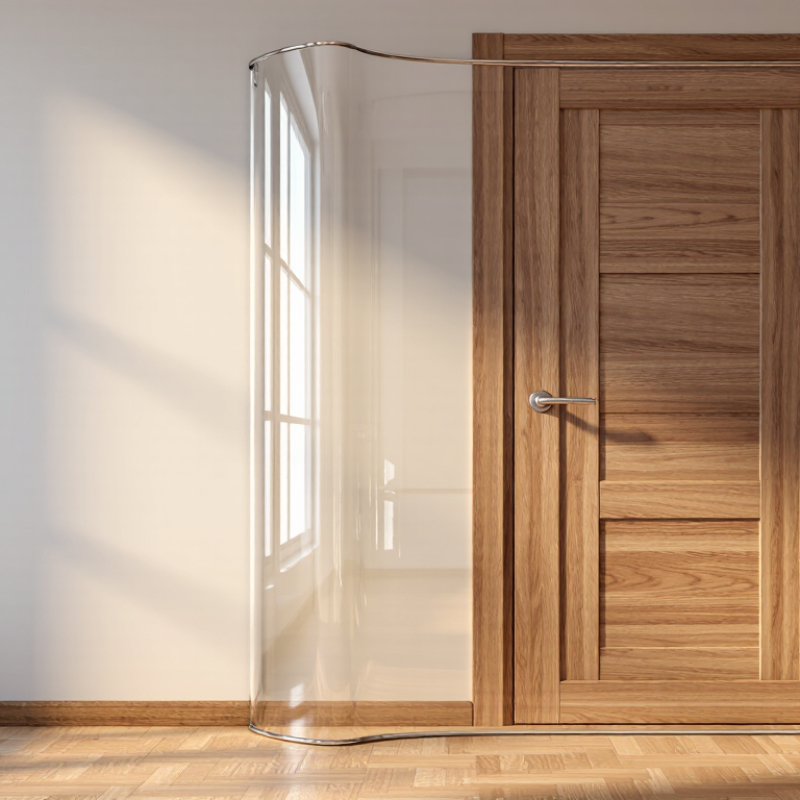
Door vinyl is a decorative film, usually made from PVC, that covers a door’s visible surface. It can mimic painted color, wood grain, or a subtle matte finish. Some films use adhesive backing; others need professional application and heat to fit around details. It changes appearance, not the door’s strength or security.
Vinyl generally works best on smooth, clean interior doors with flat or gently shaped panels. It can refresh a bedroom door, a cupboard front, or a utility-room entrance without replacing the whole door. A pale oak pattern may soften a plain hallway, while a darker finish can make a small door feel more noticeable. Not every door. Deep grooves, peeling paint, damp surfaces, and rough timber can prevent reliable adhesion.
For exterior doors, choose film specifically rated for sunlight and changing temperatures. Ordinary interior vinyl may fade, lift, or crack near a hot, sun-facing entrance. Check the edges. They are often the first place to loosen, especially around handles and corners. Clean the surface carefully and follow the film’s temperature and care instructions. I would not assume a good-looking sample will behave the same across every door; test a small, hidden area when the finish or surface is uncertain.
Which Door Vinyl Types and Finishes Are Available
Door vinyl is available in several film types, and the right choice depends on the door’s surface and daily use. Monomeric vinyl is often suited to flat indoor doors and shorter-term projects. Polymeric film generally handles longer use and gentle curves better. Cast vinyl is thin and flexible, making it useful for contoured panels or detailed edges. Check the product’s stated indoor or outdoor rating before buying.
Finish changes both appearance and upkeep. Gloss reflects light and makes colors look vivid, but fingerprints and scratches can stand out. Matte reduces glare and gives a quieter look. Satin sits between the two. Textured films can resemble wood grain or brushed metal, though dust may collect in deeper patterns. Frosted finishes soften visibility while still allowing light through. Test a small sample on the actual door. Lighting can be misleading.
The door itself matters. A smooth, clean surface usually gives adhesive film a better chance of holding evenly; peeling paint or deep grain may cause trouble. Clean and dry the panel, then inspect its edges and handles before measuring. I would not assume one film works on every door. Temperature, cleaning habits, and repeated contact can change how long the finish looks fresh. Some choices still take trial and error.
How to Compare Durability, Adhesion, and Weather Resistance
Choosing door vinyl in 2026 means matching its construction to the door’s actual exposure, not just comparing prices. Check stated thickness, abrasion performance, and care instructions. Thicker film may resist scuffs, but thickness alone does not guarantee a longer service life. A busy entry may need a tougher surface than a sheltered interior door. Edges often fail first.
Adhesion depends on the surface as well as the adhesive. Vinyl generally bonds more reliably to clean, dry, smooth paint than to dusty, oily, or heavily textured finishes. Check whether the film is rated for painted doors and note its installation temperature range. A small test piece can reveal lifting or trapped air before you cover the whole panel. Small details matter. A damp surface is an easy mistake to overlook.
Weather resistance is essential for exterior doors. Compare documented resistance to sunlight, moisture, and temperature changes, then consider the door’s orientation. A sun-facing door can heat up sharply; a shaded entry may stay damp longer. Look for clear guidance on outdoor use, edge sealing, and cleaning. “Water-resistant” does not necessarily mean suitable for constant exposure. If specifications are vague, ask about test conditions and maintenance needs. No film is maintenance-free, and the best-performing option may be less glossy or decorative than expected.
How to Choose Vinyl for Your Door and Local Conditions
Choosing door vinyl starts with the conditions around your door, not just its color. A south- or west-facing entrance may get strong afternoon sun, which can fade some finishes and warm the door surface. In cold areas, repeated freezing and thawing can stress edges and seams. Coastal air and frequent rain also make moisture resistance important.
Check the door material and surface before selecting a film. Vinyl generally needs a clean, smooth, dry surface for reliable adhesion; peeling paint, deep texture, or old residue can cause bubbles or lifting. On a metal door, inspect for rust. On wood, make sure the surface is sealed and fully dry. Measure around handles, panels, and glass, where trimming needs extra care. Small details matter.
Match the product’s stated indoor or outdoor use to your location, and review its temperature range and care instructions. If the entrance gets harsh sun, ask for a sample and leave it on the door for several days. Watch for curling, color change, or weak adhesion. This test is not perfect, but it can reveal problems before you cover the whole door. I would also avoid wrapping a damp or freshly painted door, even when the surface looks ready.
How to Check Compatibility, Installation, and Maintenance Needs
Door vinyl works best when its adhesive matches the door’s surface and exposure.
Check whether the door is smooth, sealed, and free from peeling paint, deep grain, or loose coating. Not every door qualifies. Textured wood can trap air, while damp or powdery surfaces may weaken adhesion. For an exterior door, confirm that the vinyl is rated for sunlight, rain, and temperature changes. Measure the flat panels and edges separately; a single width measurement can miss raised profiles or narrow borders.
Easy to miss.
Before covering the whole door, clean it with a suitable mild cleaner and let it dry fully. Test a small, hidden area, especially on painted or previously coated doors. During installation, remove handles where practical, align the film before pressing it down, and smooth outward with a soft squeegee. Work within the temperature range in the product instructions.
Stretching the vinyl may look tidy at first, but can pull it back from corners later.
That part deserves patience.
For routine care, use a soft cloth and mild soapy water. Skip abrasive pads and strong solvents, which can dull or damage the surface. Check the edges after heavy rain or seasonal temperature swings. If an edge lifts, dirt can collect underneath, and a quick patch may not hold.
The right repair depends on the film and the door;
guessing is tempting, but not always helpful.