Top 10 Galvanized Pipe Dimensions Every Buyer Should Know?
When it comes to selecting galvanized pipes, understanding the right dimensions is crucial. Galvanized Pipe Dimensions play a significant role in ensuring compatibility and functionality in various applications. These pipes are widely used in plumbing, construction, and electrical projects. Knowing the correct dimensions can save both time and money.
Many buyers overlook the importance of these specifications. Incorrect dimensions can lead to installation issues, leaks, or inadequate performance. This oversight can be frustrating and costly. Therefore, it is essential to familiarize yourself with key dimensions before making a purchase.
In this guide, we will explore the top 10 galvanized pipe dimensions every buyer should know. By focusing on practical and reliable information, you can enhance your decision-making process. It's important to be informed and aware of the potential pitfalls related to galvanized pipe dimensions. Let's dive deeper into this vital topic.
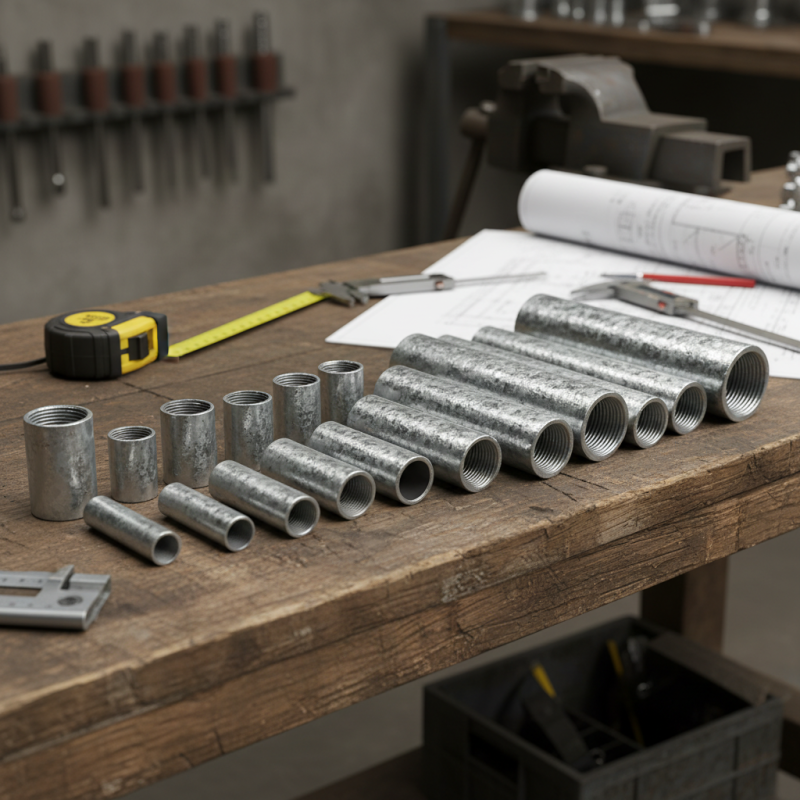
Understanding Galvanized Pipe Sizing Standards and Applications
Understanding galvanized pipe sizing standards is essential for any buyer. Galvanized pipes are coated with zinc to prevent corrosion. This treatment increases their lifespan, making them ideal for various applications, from plumbing to scaffolding. According to industry standards, pipe dimensions are crucial. Common sizes range from 1/2 inch to 6 inches in diameter, aligning with American National Standards Institute (ANSI) specifications.
When selecting a galvanized pipe, pay attention to the nominal pipe size (NPS) and the schedule, which indicates wall thickness. For instance, a 2-inch NPS pipe can have different wall thicknesses, impacting its strength and weight. Industry reports suggest that buyers should consider the intended application to choose the correct diameter and schedule. Incorrect sizing may cause leaks or structural failure.
Tip: Always measure existing pipes before purchasing. This can prevent costly mistakes. Also, ensure compliance with local codes. Inaccurate sizing can lead to safety hazards and regulatory issues. Seek advice from industry professionals if unsure about specific dimensions; their insights can be invaluable.
Top 10 Galvanized Pipe Dimensions Every Buyer Should Know
| Pipe Size (Inches) | Nominal Diameter (DN) | Outside Diameter (mm) | Wall Thickness (mm) | Weight (kg/m) | Length (m) |
| 1/2 | 15 | 21.3 | 1.8 | 1.24 | 6 |
| 3/4 | 20 | 26.9 | 2.0 | 1.55 | 6 |
| 1 | 25 | 33.7 | 2.3 | 2.27 | 6 |
| 1 1/4 | 32 | 42.4 | 2.9 | 3.23 | 6 |
| 1 1/2 | 40 | 48.3 | 3.2 | 4.33 | 6 |
| 2 | 50 | 60.3 | 3.6 | 5.79 | 6 |
| 2 1/2 | 65 | 76.1 | 4.5 | 8.41 | 6 |
| 3 | 80 | 88.9 | 4.5 | 10.76 | 6 |
| 4 | 100 | 114.3 | 5.0 | 13.89 | 6 |
| 5 | 125 | 141.3 | 5.6 | 18.18 | 6 |
Key Dimensions of Galvanized Pipes: A Comprehensive Overview
When considering galvanized pipes, understanding their dimensions is crucial. A comprehensive overview of key measurements helps buyers make informed decisions. For instance, the most common diameter sizes range from ½ inch to 6 inches. These standard sizes cater to various applications, from residential plumbing to industrial uses. According to a report by the National Association of Plumbing, Heating & Cooling Contractors, the proper sizing can significantly impact flow rates and pressure levels in any system.
Wall thickness is another critical dimension that affects the pipe’s durability. Schedule 40 and Schedule 80 are typical designations for galvanized pipes. Schedule 40 has a wall thickness of approximately 0.072 inches for a 2-inch diameter pipe, while Schedule 80 jumps to about 0.154 inches. These specifications ensure pipes can handle specific pressure and environmental conditions. Buyers often overlook the importance of these details, leading to potential failures in plumbing systems.
Pipe length also varies, typically provided in 10-foot and 20-foot segments. Understanding these lengths aids in minimizing waste during installation. Inaccurate measurements can result in extra costs and longer project timelines. Thus, being aware of these dimensions is not just about compliance; it’s about ensuring efficiency and reliability in long-term applications. Each of these factors contributes to the overall performance of galvanized pipes in various settings.
How to Choose the Right Diameter for Your Galvanized Pipe
Choosing the right diameter for galvanized pipes is crucial for any plumbing project. The wrong choice can lead to decreased performance and increased costs. Industry standards indicate that galvanized pipes come in various dimensions, typically ranging from 1/2 inch to 6 inches in diameter. Each size serves specific applications, from residential water supply to industrial systems.
When selecting a diameter, consider flow rate and pressure. A smaller diameter may restrict flow, causing pressure drops. Conversely, a larger diameter can increase costs without providing added benefits. According to the American Society of Civil Engineers, proper sizing can improve efficiency by up to 30%. This indicates the importance of careful planning.
Some buyers overlook corrosion factors. Galvanized pipes are prone to rust and deterioration over time. This can affect flow and safety. Regarding longevity, reports show that pipes with 1-inch diameter can last 30 years or more when installed correctly. Yet, many underestimate the impact of environmental conditions, leading to premature failure. Be mindful of recommending the ideal pipe size for specific needs and environmental contexts.
Measuring Lengths: Standard Practices for Galvanized Pipes
When measuring lengths for galvanized pipes, accuracy is key. Standard practices dictate that you account for multiple factors. First, always measure the total length, including both ends of the pipe. This ensures a perfect fit in your project. Use a reliable measuring tape that is sturdy and flexible.
Tips: Always double-check your measurements. A small error can lead to significant problems later. Keep track of how each piece fits together.
Consider the type of project you're working on. Different applications may require specific pipe dimensions. For example, plumbing work often demands precise lengths due to space constraints. Measure twice, cut once remains a wise rule in this scenario.
Tips: If possible, lay out your pipe segments before cutting. Visualizing how they come together aids in achieving accuracy. It’s essential to have a clear idea of the layout before beginning any installation.
Impact of Wall Thickness on Galvanized Pipe Performance and Durability
Wall thickness plays a crucial role in the overall performance and durability of galvanized pipes. A thicker wall can enhance strength and resistance to pressure, making it suitable for high-demand applications. For instance, pipes used in construction or heavy-duty plumbing systems typically require greater thickness. This ensures they can withstand the stress from internal and external forces.
However, thicker walls come with trade-offs. They increase the weight of the pipe, resulting in higher transportation costs. Additionally, thicker pipes may be more challenging to cut and install. Buyers need to consider these factors carefully. Not all applications require the same wall thickness, and over-specifying can lead to unnecessary expenses.
Choosing the right wall thickness is also about balance. A pipe too thin may corrode faster or fail under pressure. Yet, a pipe that is overly thick could be over-engineered for the job. Assess the intended use, environmental conditions, and budget constraints to make an informed decision. Finding the right fit is essential for optimal performance.
Top 10 Galvanized Pipe Dimensions
This chart illustrates the impact of wall thickness on the performance and durability of galvanized pipes. Wall thickness is a crucial dimension that directly affects strength and resistance to corrosion.