
China Top 10 Signature Windows Manufacturers to Buy From
Choosing the right supplier for signature windows requires more than comparing catalog photographs and factory claims. China’s window manufacturing sector includes large exporters, specialized fabricators, and experienced system-window producers. Their capabilities can differ sharply in materials, testing, customization, lead times, and after-sales support.
This guide introduces ten China-based manufacturers worth considering for signature windows projects. It focuses on practical evidence, including production experience, quality-control procedures, project references, and international delivery capabilities. We also examine frame materials, glass configurations, thermal breaks, hardware options, acoustic performance, and weather resistance. Details matter. A slim black frame may look elegant, yet its drainage design and sealing quality influence long-term performance.
Look beyond appearance.
Reliable manufacturers should explain their specifications clearly and provide traceable documentation. Factory audits, sample inspections, technical drawings, and installation guidance can reduce avoidable risks. Buyers should also confirm warranty terms, replacement procedures, packaging standards, and communication practices before placing an order. These points often determine whether a polished design becomes a dependable building component.
No supplier is perfect. A company may offer excellent customization but have longer production schedules. Another may provide competitive pricing but limited support for unusual glazing systems. That trade-off deserves honest attention. The manufacturers selected here are assessed through a practical, buyer-focused lens rather than marketing language alone. Still, readers should verify current certifications, factory capacity, and project suitability independently. Conditions change, and one ranking cannot fit every climate, budget, or architectural brief.
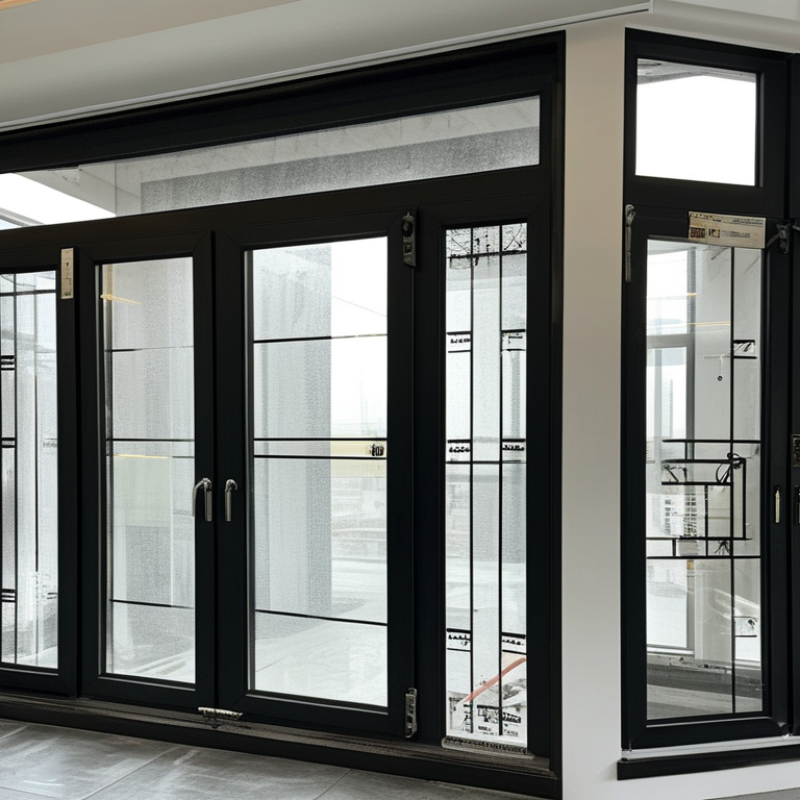
Understanding China’s Signature Window Manufacturing Landscape
China’s signature window manufacturing landscape combines large factories, specialist workshops, and export-focused engineering teams. Many manufacturers produce aluminum, uPVC, wood-aluminum, and thermally broken systems. Their strengths often include flexible customization, competitive tooling, and strong glass-processing capacity. However, quality varies between production lines. A beautiful sample does not guarantee consistent delivery.
Experienced buyers usually inspect material certificates, coating thickness, welding quality, hardware testing, and water-tightness results. They also review the manufacturer’s completed projects and independent test reports. Factory communication matters too. Clear drawings reduce mistakes in opening direction, frame depth, and drainage details. Some suppliers promise short lead times, yet complex glazing can extend production unexpectedly. That part is easy to underestimate.
Tips: Request a full-size corner sample before placing a large order. Check how the frame, glass, seals, and hardware meet. Ask for batch inspection photos and a written packing plan. Confirm applicable building standards for the destination market. Do not judge reliability from price alone. A slightly cheaper window may require costly adjustments later. No supplier is perfect. Careful verification still exposes weak processes, unclear responsibilities, and design details that looked acceptable on paper but failed during installation.
China Top 10 Signature Windows Manufacturers to Buy From - Understanding China’s Signature Window Manufacturing Landscape
| Rank | Anonymous Manufacturer Profile | Typical Manufacturing Base | Signature Window Focus | Primary Frame Materials | Common Glass Configurations | Main Export Markets | Typical Compliance Documentation | Customization Capability | Indicative Production Lead Time |
|---|---|---|---|---|---|---|---|---|---|
| 1 | Large integrated export manufacturer | Foshan and surrounding Pearl River Delta | Thermal-break aluminium, sliding, casement and lift-and-slide systems | Aluminium alloy with polyamide thermal barriers | Double or triple insulating glass; Low-E; laminated safety glass | North America, Europe, Australia and the Middle East | CE-related technical files, test reports and project-specific performance data | High; custom colors, profiles, hardware and opening sizes | 30–60 days after drawing approval |
| 2 | Architectural façade and window specialist | Guangzhou and the wider Pearl River Delta | Large-format fixed windows, curtain-wall interfaces and minimal-frame systems | Aluminium alloy; steel reinforcement for oversized assemblies | Insulating, laminated, tempered and solar-control glass | Commercial and high-end residential projects in Asia, Africa and the Gulf region | Structural calculations, air-water-wind test reports and material declarations | Very high; engineered sizes and project-specific detailing | 45–75 days for engineered projects |
| 3 | High-volume uPVC and aluminium producer | Jinan and Shandong Province | Cost-efficient casement, tilt-and-turn and sliding windows | Multi-chamber uPVC and standard aluminium profiles | Double insulating glass; Low-E and argon-filled units available | Eastern Europe, Central Asia, Africa and domestic construction markets | Product test reports, basic quality-system records and regional compliance files | Medium to high; standard systems support faster production | 20–45 days for standard configurations |
| 4 | Premium thermally efficient system fabricator | Shanghai and the Yangtze River Delta | High-performance tilt-and-turn, casement and acoustic windows | Thermal-break aluminium and reinforced uPVC | Triple glazing, acoustic laminated glass and warm-edge spacer options | Europe, Japan, South Korea, Australia and premium domestic developments | U-value, air-permeability, water-tightness and acoustic test data | High; emphasis on thermal and acoustic specifications | 35–65 days, depending on glass and hardware |
| 5 | Coastal project and villa window supplier | Xiamen and Fujian Province | Impact-resistant, corrosion-resistant and large sliding window systems | Powder-coated aluminium and marine-grade hardware assemblies | Tempered, laminated and solar-control insulating glass | Southeast Asia, Australia, the Caribbean and coastal Middle Eastern markets | Salt-spray information, wind-load calculations and project test records | High; suitable for coastal colors, screens and configuration changes | 30–55 days after final measurements |
| 6 | Energy-efficient uPVC window specialist | Qingdao and Shandong Province | Tilt-and-turn, hopper, casement and multi-chamber uPVC windows | Unplasticized PVC with galvanized steel reinforcement | Double and triple Low-E insulating glass | Europe, Central Asia, North Africa and cold-climate projects | Thermal transmittance data, air-tightness reports and material specifications | Medium; extensive color and hardware choices within standard profiles | 25–50 days for repeatable product lines |
| 7 | Minimalist and slim-frame design manufacturer | Ningbo and Zhejiang Province | Slim sliding, folding and concealed-sash window systems | Aluminium alloy with narrow sightlines and concealed drainage | Large tempered, laminated and double-glazed panels | Australia, New Zealand, Southeast Asia and luxury residential projects | Load calculations, glass safety documentation and water-infiltration test data | Very high; design-led assemblies and custom opening arrangements | 40–70 days for non-standard systems |
| 8 | Wood-aluminium and premium hybrid fabricator | Hangzhou and Zhejiang Province | Architectural timber, wood-aluminium and premium entrance systems | Engineered timber, exterior aluminium cladding and steel hardware | Double or triple glazing with Low-E and laminated safety options | Europe, North America, Japan and high-end hospitality projects | Wood-treatment records, thermal data and project-specific safety documentation | Very high; bespoke stains, profiles, sizes and interior finishes | 50–90 days due to multi-material fabrication |
| 9 | Commercial aluminium door and window producer | Suzhou and Jiangsu Province | Office, retail, hotel and multi-family aluminium window packages | Standard and thermal-break aluminium systems | Tempered, laminated, fire-rated and insulating glass where specified | Southeast Asia, Africa, the Middle East and commercial projects in China | Material certificates, coating records, fabrication drawings and installation data | High; coordinated schedules for large project quantities | 35–65 days after approved shop drawings |
| 10 | Small-batch custom and replacement-window fabricator | Kunshan and the Yangtze River Delta | Renovation windows, unusual dimensions and prototype assemblies | Aluminium, uPVC and limited timber-aluminium combinations | Double glazing, laminated safety glass and decorative glass options | Private-label importers, contractors and renovation distributors | Basic product specifications, glass safety records and inspection documents | High for low-volume orders; flexible sizes and finishes | 20–45 days, excluding prototype approval |
Note: The profiles above describe common supplier capabilities and manufacturing clusters in China’s window industry. Actual performance, certifications, lead times, minimum order quantities and project suitability should be verified through current technical documents, samples, factory audits and third-party testing.
Related Posts
-
Essential Tips for Choosing Signature Windows for Your Home?
-
Top 10 Benefits of Sliding Doors and Windows for Modern Homes
-

How to Choose Vinyl Windows for Your Patio to Enhance Home Aesthetics
-
How to Choose the Best French Doors for Your Home?
-
Transform Your Space: The Ultimate Guide to Choosing Patio Doors with Windows for Enhanced Natural Light
-
2025 Market Insights: The Future of Best Sliding Patio Doors in Home Design Innovations