What Are Vinyl Doors and Why Do Global Buyers Choose Them?

Vinyl doors are engineered entry systems made with durable PVC profiles, reinforced cores, insulated panels, and weather-resistant seals. They are not simply plastic doors. Their performance depends on frame design, hardware quality, installation accuracy, and climate suitability.

Tom Culp, a respected fenestration consultant, captures the practical test clearly: “Performance begins with the details manufacturers cannot hide.” Buyers notice those details during daily use. A door should close without force, remain stable under changing temperatures, and resist rain around the threshold. In coastal markets, corrosion-resistant hardware matters. In colder regions, insulated panels and tight seals can help reduce drafts. Small differences become obvious.

Installation still matters most.

Global buyers choose vinyl doors for several practical reasons. They usually offer consistent color, low maintenance, and strong resistance to moisture, insects, and peeling paint. A homeowner may wipe the surface clean after a muddy storm. A hotel operator may value predictable upkeep across hundreds of rooms. A builder may appreciate standardized sizes and broad design options.

However, vinyl doors are not perfect. Poorly reinforced products may flex, sag, or weaken under heavy use. Dark finishes can also create greater heat exposure in sunny locations. These limitations deserve honest attention. Product certifications, test reports, warranty terms, and installer experience should guide purchasing decisions. The cheapest quotation can become expensive when replacement begins early.

For international buyers, the best choice is not merely attractive. It is a carefully matched solution for climate, traffic, security needs, and long-term maintenance.
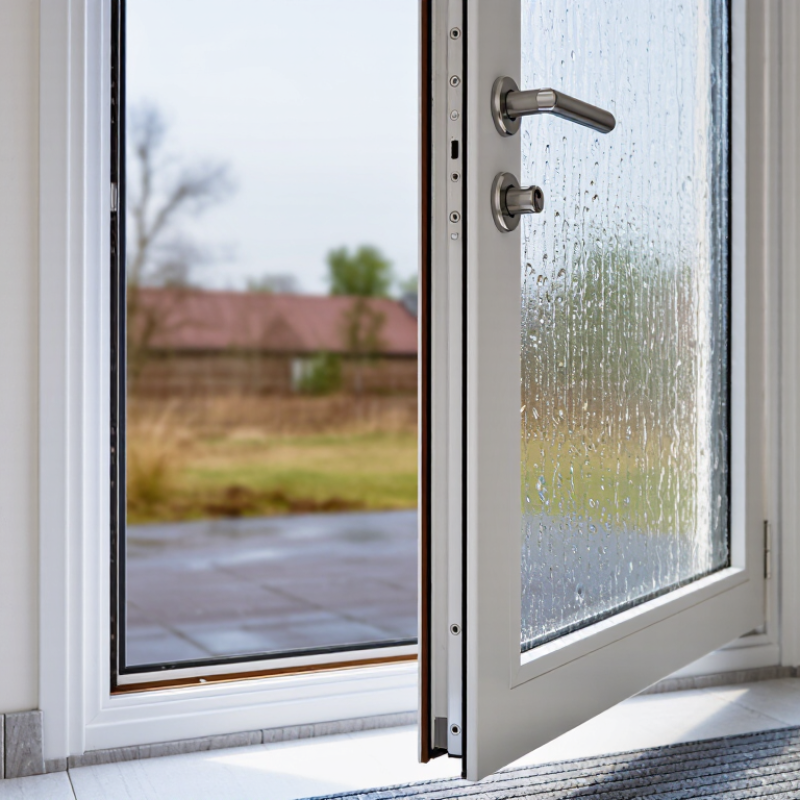
What Are Vinyl Doors and Why Do Global Buyers Choose Them?

What Are Vinyl Doors? Definition, Materials, and Basic Features

Vinyl doors are doors built mainly with PVC, also called polyvinyl chloride. The material is shaped into profiles for the frame, panels, or decorative skins. Many models use reinforced vinyl around steel or composite supports. Their cores may contain foam, honeycomb structures, or solid infill. Therefore, a vinyl door is rarely made from vinyl alone.

The basic features are clear. Vinyl resists moisture, rust, and routine staining. It does not require regular painting, which helps reduce maintenance in busy homes and commercial buildings. Many designs include insulated cores, weather seals, adjustable hinges, and double or triple glazing. These parts can improve comfort and reduce drafts. Still, performance depends heavily on profile quality and installation accuracy. A poorly sealed frame can waste the advantages of good materials.

From a buyer’s perspective, check the door’s wall thickness, reinforcement, drainage design, seal compression, and hardware strength. UV stabilizers matter in regions with intense sunlight. Vinyl can expand and contract with temperature changes, so installers need correct clearances and secure fixing points. It is not flawless. Dark finishes may absorb more heat, and cheap profiles can become brittle over time. A careful inspection should include corners, sill slopes, gasket contact, and smooth closing. The right choice depends on climate, traffic, security needs, and expected service life—not appearance alone.

How Are Vinyl Doors Designed and Manufactured?

Vinyl doors begin with carefully engineered uPVC profiles, not simple plastic sheets. Designers create multiple internal chambers to reduce heat transfer and improve structural stability. Steel or galvanized reinforcement is added where larger panels need extra strength. Corners are commonly fusion-welded, creating a continuous frame with fewer leakage points. It looks simple. It is not.

The 2024 UNEP Global Status Report says buildings consume about 32% of global energy and produce approximately 34% of global carbon emissions. This pressure encourages buyers to specify insulated vinyl frames, Low-E glass, warm-edge spacers, and argon-filled cavities. Manufacturers extrude profiles, cut them precisely, weld the frames, install hardware, and seal the glazing. Drainage channels must guide rainwater away from the interior. Compression gaskets must remain flexible after repeated use.

Quality control includes dimensional checks, air leakage testing, water resistance testing, and repeated opening cycles. The U.S. Department of Energy identifies low-emissivity glazing as an effective method for reducing heat transfer through windows and glazed doors. Yet no profile is perfect. Poor welding, weak reinforcement, or incorrect drainage can damage performance quickly. Some specifications look impressive on paper but fail during installation. Experienced factories therefore test complete door assemblies, not isolated materials. That detail matters to global buyers facing different climates, wall systems, and installation skills.

What Are Vinyl Doors and Why Do Global Buyers Choose Them? – How Are Vinyl Doors Designed and Manufactured?

Design and Manufacturing Dimension Typical Specification or Process How Vinyl Doors Are Designed and Manufactured Why Global Buyers Consider It Important
Material uPVC / rigid PVC profiles Vinyl doors are generally made from extruded rigid PVC profiles. The material is formulated with stabilizers, impact modifiers, pigments, and processing additives to support outdoor performance and dimensional stability. The material does not require routine painting, resists moisture, and is suitable for residential and light-commercial openings.
Profile Design Multi-chamber hollow sections Door frames and sashes are designed with internal chambers that reduce heat transfer. Profile geometry is selected according to the required door size, glazing configuration, drainage path, and hardware load. Multi-chamber construction can improve thermal insulation while keeping the frame relatively lightweight.
Reinforcement Galvanized steel or approved structural reinforcement Reinforcement may be inserted into the frame and sash chambers before assembly. Its thickness and shape depend on door dimensions, wind exposure, hardware loads, and local engineering requirements. Proper reinforcement helps limit bowing, maintain alignment, and support larger or heavier door leaves.
Common Door Types Entrance, patio, French, sliding, and utility doors The same basic profile system can be configured with different opening styles, thresholds, panels, glazing layouts, hinges, locks, and handles. Buyers can select a configuration suited to climate, traffic level, available space, security expectations, and architectural style.
Glazing Double or triple insulating glass units Glazing is installed with compatible gaskets, setting blocks, and glazing beads. Insulating glass units commonly use sealed air or inert-gas cavities, subject to the selected specification. Insulating glazing can reduce heat loss, improve acoustic comfort, and increase interior surface temperature in colder conditions.
Panel Construction Insulated sandwich or decorative door panels Opaque panels typically combine outer skins with a rigid insulating core. Surface finishes may be smooth, embossed, laminated, or designed to replicate other materials. Panel options provide privacy, reduce glazing area, and allow different appearance and insulation requirements.
Thermal Performance Low whole-door U-value when correctly specified Thermal performance depends on the profile system, reinforcement, glazing, panel, spacer, threshold, seals, and installation quality. The complete door should be evaluated rather than the frame alone. Better thermal performance can help reduce drafts and heating or cooling demand, especially when the door is properly installed.
Weather Sealing Compression gaskets and drained profiles Manufacturing includes the installation of flexible seals around the frame, sash, glazing, and threshold. Drainage channels are formed or machined to direct incidental water away from the interior. Continuous sealing and effective drainage help protect interiors from air leakage and rain penetration.
Hardware Integration Multi-point locks, hinges, cylinders, and handles Hardware positions are planned during fabrication. Machining, routing, drilling, and reinforcement preparation must match the selected lock case, hinges, cylinders, and handle set. Accurate hardware preparation supports smooth operation, security, repairability, and compatibility with local building practices.
Manufacturing Sequence Cutting, welding, cleaning, reinforcement, glazing, and final assembly Typical production includes profile cutting, corner welding or mechanical joining, weld cleaning, reinforcement installation, hardware machining, gasket fitting, glazing or panel insertion, and final adjustment. A controlled sequence improves dimensional accuracy and reduces defects such as misalignment, weak corners, or air leakage.
Surface Finish White, colored, wood-effect, or laminated finishes Color can be integrated into the profile material or applied through a compatible surface finish or laminate. The finish should be selected for the expected ultraviolet exposure and climate. A broad finish range allows the door to match different building styles without regular repainting.
Dimensional Accuracy Controlled frame squareness, diagonals, and sash clearances Fabricators check the frame and sash for squareness, diagonal consistency, weld quality, gasket continuity, hardware alignment, and correct operating clearances before packing. Accurate fabrication helps prevent rubbing, difficult locking, uneven gaps, and premature seal wear.
Performance Testing Air, water, wind, operation, and security assessments Depending on the market and product class, finished door systems may be tested for air permeability, watertightness, wind resistance, repeated operation, resistance to forced entry, and thermal performance. Independent or documented testing gives buyers a clearer basis for comparing products and meeting project specifications.
Climate Suitability Adaptation to cold, hot, humid, or coastal environments Design choices may include glazing type, reinforcement level, gasket formulation, threshold style, drainage details, UV-resistant finishes, and corrosion-resistant hardware. Climate-specific specifications can improve service life and reduce problems caused by temperature changes, humidity, or salt exposure.
Installation Plumb, level, square, sealed, and mechanically fixed Installation normally requires suitable anchors or fixings, perimeter sealing, correct support beneath the threshold, and adjustment of hinges and locking points. The surrounding opening must also be structurally sound. Correct installation is essential because poor fixing or sealing can reduce the door’s air, water, thermal, and operational performance.
Maintenance Routine cleaning, lubrication, and seal inspection Typical care includes cleaning surfaces with mild detergent, keeping drainage paths clear, lubricating compatible moving parts, checking fasteners, and inspecting gaskets for damage or shrinkage. Low-maintenance care helps preserve appearance, weather sealing, smooth operation, and hardware function.
Sustainability Long service life and potential material recycling Vinyl doors can remain in service for many years when properly designed, manufactured, installed, and maintained. PVC from suitable products may be recyclable where collection and processing systems exist. Durability, energy performance, and recycling availability can contribute to a lower whole-life environmental impact.
Buyer Selection Criteria Performance, compliance, configuration, logistics, and after-sales support Global buyers commonly compare profile construction, glazing, reinforcement, hardware, test documentation, dimensions, packaging, installation guidance, spare parts, and applicable local standards. A complete specification reduces project risk and helps ensure that the door is suitable for the destination market and intended application.

Note: Actual performance, dimensions, certifications, and service life vary according to the selected door system, local climate, installation method, and applicable building standards.

What Types of Vinyl Doors Are Available?

What Types of Vinyl Doors Are Available?

Vinyl doors come in several practical forms, each suited to different spaces and climates. Solid vinyl doors provide privacy, resist moisture, and work well for bathrooms, utility rooms, and exterior entrances. Hollow-core vinyl doors are lighter and usually more affordable. However, they may feel less substantial and provide weaker sound control. Panel doors add visual depth through molded sections. They can suit traditional homes without requiring regular painting.

Glazed vinyl doors include clear, frosted, or patterned glass. Clear glass brings daylight into hallways, while frosted glass protects privacy. Sliding vinyl doors save floor space and often connect kitchens with patios or balconies. Folding doors create wider openings, but their tracks need careful alignment. Poor installation can cause sticking, air leakage, or uneven movement. No type is perfect. A door that performs well in one region may disappoint in another.

Tips: Check the frame depth, glass specification, hardware quality, and drainage design before ordering. Coastal buyers should ask about corrosion-resistant fittings. In cold climates, inspect sealing details and thermal performance. Measure the opening twice. It sounds simple, but rushed measurements cause expensive adjustments. Also, confirm whether the door opens inward or outward. This small detail affects furniture placement, safety, and daily comfort.

Why Do Global Buyers Choose Vinyl Doors?

Global buyers choose vinyl doors for their practical balance of durability, comfort, and maintenance. In humid coastal homes, vinyl frames resist moisture and corrosion better than untreated metal or wood. They do not need regular painting, which can reduce long-term upkeep costs. A damp cloth often removes dust, salt marks, and everyday stains. That matters to property owners managing apartments, hotels, and family homes across different climates.

Energy performance also influences purchasing decisions. Multi-chamber profiles, insulated glass, and reliable weather seals can limit drafts and reduce unwanted heat transfer. In cold regions, this helps rooms feel warmer near the doorway. In hot regions, it can support indoor cooling. However, the door alone cannot guarantee efficiency. Glass selection, frame design, installation quality, and wall conditions all affect the result. Experienced buyers request air, water, and wind performance data before placing large orders. They also check local building requirements.

Vinyl doors are lightweight enough for easier handling during installation, especially in multi-floor projects. They can be produced in different sizes, surface finishes, and opening styles. Still, vinyl is not perfect. Low-grade profiles may discolor under strong sunlight, and oversized doors may require proper reinforcement. Site reviews often reveal small fitting problems caused by rushed installation. A qualified installer, accurate measurements, and suitable hardware make a noticeable difference. Some buyers also ask about recyclability, because disposal practices vary between countries.

How Should Vinyl Doors Be Selected and Maintained?

Vinyl doors use rigid PVC profiles, insulated cores, and sealed glazing systems. Their value depends less on appearance than on measured performance. The U.S. Department of Energy recommends comparing U-factor, solar heat gain coefficient, and air leakage before purchase. Lower U-factor usually means better insulation. However, a low number cannot correct poor installation.

ENERGY STAR guidance reports that replacing single-pane windows and doors with certified products can reduce household energy bills by up to 15%. This figure varies with climate, building design, and installation quality. Buyers should check the NFRC label, frame reinforcement, drainage paths, weatherstripping, and tested water resistance. In coastal or rainy regions, welded corners and corrosion-resistant hardware deserve extra attention. I would not select a door from color alone. That mistake looks harmless, but it can become expensive.

Tips: Measure the opening at several points. Keep the smallest width and height for planning. Ask for laboratory performance data, not only sales claims. After installation, inspect the sealant every year and remove dirt from drainage channels. Clean vinyl with mild soap and water; avoid abrasive pads and strong solvents. Lubricate compatible hinges and locks lightly. If condensation appears between glass panes, the insulating seal may have failed. This check is easy to overlook. Repairing small sealant gaps early is usually simpler than replacing damaged interior trim.

How Should Vinyl Doors Be Selected and Maintained?

Vinyl doors are selected for their resistance to moisture, low routine maintenance, and suitability for energy-efficient building envelopes. The maintenance intervals below are practical guidance: clean frames and drainage paths about every six months, inspect weather seals annually, and lubricate moving hardware once a year. Local climate, usage, and manufacturer instructions may require different schedules.