7 Bow Windows Buying Tips What Should Buyers Know?
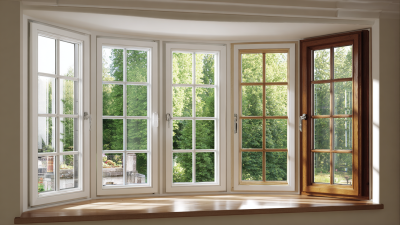
Bow windows can turn a flat exterior wall into a gentle curve of glass, bringing in daylight and creating a small ledge for plants or a reading seat. Their appearance is appealing, but the right choice depends on more than curb appeal. A wide assembly can affect the wall structure, require careful weatherproofing, and cost more to install than a standard replacement window. Small details matter.
This guide covers seven practical buying tips, from measuring the opening to comparing frame materials, glass options, energy ratings, warranties, and installation quotes. It explains why room orientation, local climate, and existing framing should shape your decisions. Ask installers how they will support the unit, seal joints, and manage water around the exterior. Request itemized estimates and written product specifications, rather than relying on broad promises. Measure twice.
Not every home needs a deep projection, and not every attractive quote includes the same work. A bow window may also need custom sizing or interior trim adjustments. These are details buyers sometimes overlook. Compare options carefully, and confirm recommendations with a qualified window professional who can inspect the opening in person. The best choice balances light, comfort, durability, and budget—not appearance alone.
Define Bow-Window Projection, Panel Layout, and Structural Support Needs
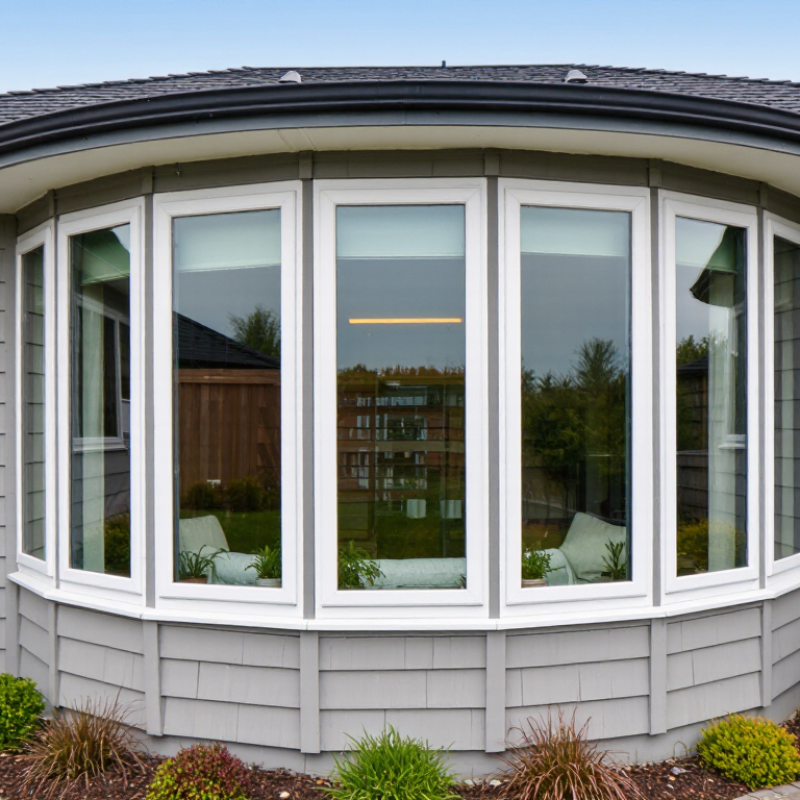
A bow window curves outward through several joined panels, creating a softer arc than a three-panel bay window. Measure projection from the exterior wall to the farthest glass, not just the sill. That distance affects room clearance, roof coverage, and the load on the wall. Panel layouts vary: a fixed center with operable side panels can balance views and ventilation, but check each sash’s opening path.
Structural support is not decorative. The projection acts like a lever, so confirm how its weight transfers into framing, brackets, or a designed cantilever. The International Residential Code, Section R301.1, requires building elements to resist applicable loads; an installer or structural professional should verify the support plan for your home. The U.S. Department of Energy’s Energy Saver guide estimates that windows account for 25–30% of residential heating and cooling energy use. Tight joints and suitable glazing matter. I would not assume a deeper projection automatically means a better window; it may simply add cost and structural work.
Tips: Sketch the wall elevation and floor plan before ordering. Mark projection, panel widths, swing clearance, and support locations. Ask who verifies the framing. A little uncertainty is normal—existing walls can hide surprises.
Compare NFRC U-Factor and SHGC Ratings for the Intended Climate
A bow window can brighten a room, but its glass also affects heat loss and solar gain. Compare NFRC-certified ratings for the complete window configuration, not just one glass pane. U-factor measures heat transfer; a lower number generally means better insulation. Check that products use the same rating method before comparing them.
SHGC measures how much solar heat passes through the window. In a cold climate, a higher SHGC may help capture winter warmth on a sunny side of the home. In a hot climate, a lower SHGC can reduce unwanted heat, especially on west-facing windows. Orientation matters. Exterior shade, nearby trees, and deep roof overhangs can change the result. A rating alone cannot predict every room’s comfort.
Bow windows contain several angled sections, so frame edges and joints deserve attention alongside the glass ratings. Ask for NFRC labels, then compare U-factor and SHGC for the exact size and operating style you plan to buy. Local climate guidance can help narrow the range, but the house itself matters too. Old insulation may complicate the choice. I would not assume one “best” rating fits every wall; even a well-rated window can feel uncomfortable if installation leaves air gaps.
Check ENERGY STAR U-Factor Limits: 0.22–0.32 by U.S. Climate Zone
Bow windows bring daylight and a broad view, but their projecting shape can expose more glass and frame area to outdoor temperatures. The U.S. Department of Energy estimates that windows account for about 25–30% of residential heating and cooling energy use. That figure covers homes generally, not bow windows alone, but it makes the window’s rated performance worth checking. On a cold morning, a low U-factor can help reduce heat flow through the assembly. A warm edge matters, too.
ENERGY STAR Version 7.0 sets maximum U-factors by U.S. climate zone: 0.22 in the Northern zone, 0.25 in North-Central, 0.28 in South-Central, and 0.32 in Southern. Lower numbers indicate less heat transfer. Compare the rating with the zone where the home is located, rather than choosing by glass appearance alone. The National Fenestration Rating Council rates whole-window products under standardized conditions, so check the label for the specific bow-window configuration. A center-glass value may not represent the frame and joins. Small detail. It matters. ENERGY STAR and NFRC ratings are useful references, but installation gaps or poorly sealed joints can still undermine performance. Verify the current product documentation; custom sizes may differ from familiar catalog ratings.
ENERGY STAR U-Factor Limits by U.S. Climate Zone
Maximum qualifying U-factor for residential windows under ENERGY STAR Version 7.0 criteria. Lower U-factors indicate better insulation.
Buyer tip: Compare a window’s certified U-factor with the limit for your climate zone. These values are maximum limits; check the current criteria and product category before buying.
Plan Installation and Air Sealing: DOE Attributes 25–30% of Home Energy Use to Window Heat Gain and Loss
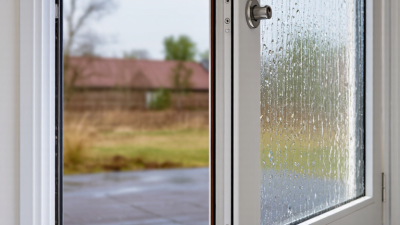
Bow windows project beyond the wall, creating extra joints where air and water can enter.
The U.S. Department of Energy estimates that windows account for 25–30% of residential heating and cooling energy use through heat gain and loss. That is a national estimate, not a prediction for every home. Orientation, climate, glass condition, and installation quality all affect actual performance.
Tips: Before ordering, ask the installer to inspect the framing and measure the rough opening. Check the National Fenestration Rating Council label for U-factor and solar heat gain coefficient; lower U-factor generally means less heat transfer. Small gaps matter. Confirm who will insulate and air-seal the perimeter, not just cover it with trim.
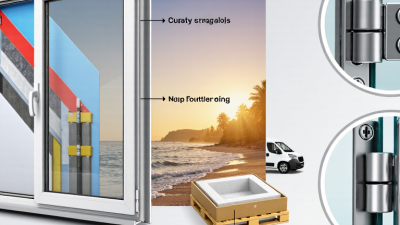
A projecting bay can be harder to seal than a flat window, especially where the seat board meets the exterior wall. Specify compatible flashing, insulation, and sealant, and ask how the installer will protect the underside from drafts. DOE guidance emphasizes that careful installation helps windows perform as rated. After installation, check for cold air near the joints on a windy day. If the interior trim hides an unsealed cavity, the finish may look right while comfort suffers.