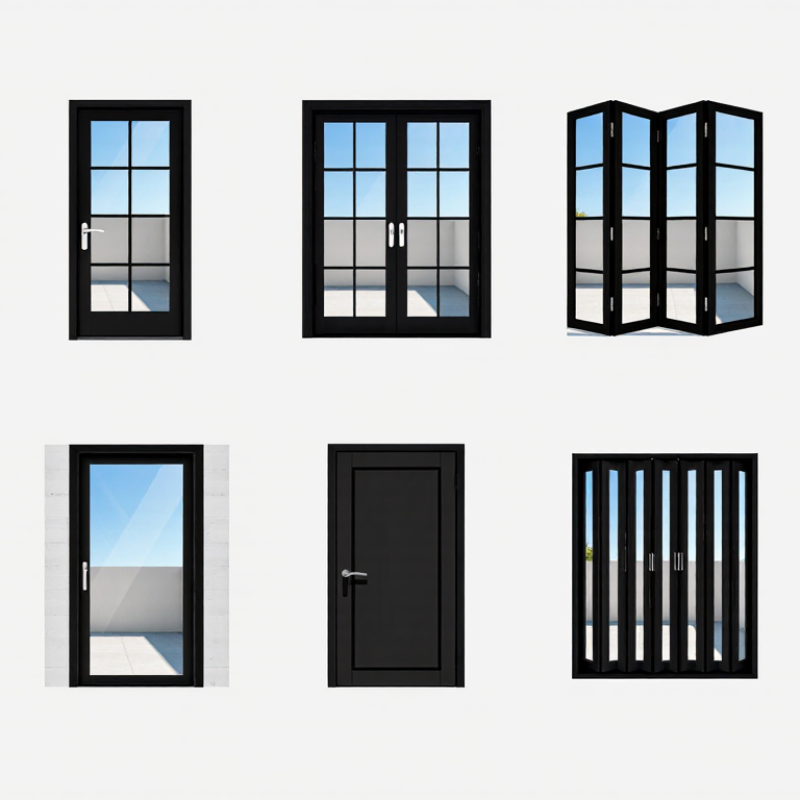
Choosing black patio doors is not only a matter of appearance. It also involves performance, maintenance, safety, and long-term value. For global buyers, the right design must suit local weather, building practices, and daily use. A sleek door may look impressive in a showroom, yet perform poorly beside a windy coastline.
This guide explores ten practical types of black patio doors, including sliding, hinged, French, folding, multi-slide, and lift-and-slide systems. Each option offers different benefits for space planning, ventilation, natural light, and accessibility. Real-world details matter. A narrow balcony may need a compact sliding system, while a wide garden opening could support several folding panels. Frame material also matters, especially in humid, coastal, or extremely cold regions.
Good buying decisions require more than attractive product images. Buyers should compare thermal performance, glass specifications, drainage design, locking systems, warranty terms, and installation requirements. Certified products and clear technical documentation can reduce uncertainty across international projects. Still, no single door style suits every home, climate, or budget. Preferences may change after installation, particularly when cleaning, handle reach, or sunlight control becomes part of daily life.
The following comparison is designed to support careful evaluation. It highlights useful differences without treating marketing claims as universal facts. Measure twice. Review local requirements. Then choose a black patio doors style that balances visual character with dependable performance.
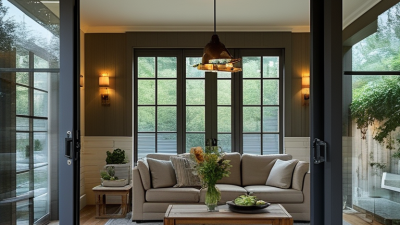
Black patio doors are exterior doors finished in a deep black color, designed to connect indoor rooms with gardens, balconies, or terraces. Their appearance can come from powder-coated aluminum, painted timber, or dark-colored composite materials. Black frames create a strong visual border around glass. This effect suits modern, industrial, farmhouse, and transitional homes.
The main design feature is generous glazing. Large glass panels bring daylight inside and improve views across the patio. Sliding doors save space, while hinged doors offer a more traditional opening. Folding systems can create a wider passage, but their hardware needs careful alignment. Slim frames provide a cleaner look, though they may reduce space for insulation. A thermal break, double glazing, and properly sealed joints help control indoor temperature and outside noise.
Practical details matter more than color. Check the drainage channels, locking points, threshold height, and weather seals before choosing a door. In wet or coastal locations, durable finishes and corrosion-resistant hardware are especially important. Dark surfaces can show dust, fingerprints, and fading more clearly than lighter finishes. That is easy to underestimate. Regular cleaning with mild soap usually protects the finish, but harsh chemicals can damage it. I would also question very large panels where wind exposure is high. A beautiful door can become inconvenient if opening force, glass weight, or maintenance is ignored.
Black patio doors combine a strong architectural appearance with large glass areas, natural light, and flexible indoor–outdoor access. The chart compares indicative clear opening widths commonly associated with residential door configurations.
Black patio doors are exterior doors finished in black, usually with powder-coated aluminum, painted wood, fiberglass, or uPVC frames. Popular designs include slim sightlines, insulated glazing, multipoint locking, low-maintenance surfaces, weather seals, and wide openings for improved daylight and ventilation.
Comparing the top ten types of black patio doors starts with movement and space. Single-panel sliding doors suit compact rooms and simple access. Two-panel sliders offer a wider opening without demanding much floor space. Four-panel sliding doors create stronger garden views, but their tracks need careful leveling. French hinged doors provide a traditional appearance and a firm central seal. They require clear swing space inside or outside.
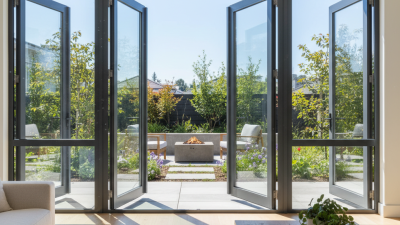
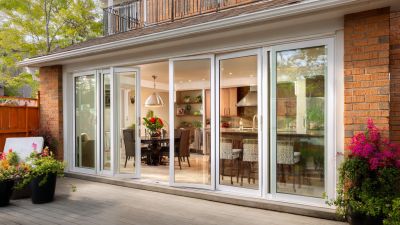
Folding, or bi-fold, doors stack into a narrow bundle. They can open most of a wall, although their many hinges need regular adjustment. Multi-slide doors place large panels behind one another, creating a cleaner opening than folding systems. Lift-and-slide doors feel smoother with heavy glass because the panels rise before moving. This design often improves long-term operation, but installation tolerances are less forgiving. Black frames also show dust and scratches quickly.
Telescoping patio doors use several panels that overlap in one direction. They work well beside pools, terraces, and wide dining areas. Pivot doors rotate from offset points and make a strong architectural statement. They need accurate structural planning, especially with thick glass. Corner-opening doors remove the corner post and connect two outdoor views. They are impressive, but drainage and wind sealing deserve serious inspection. In real project comparisons, thermal performance, threshold height, hardware quality, and local weather matter more than appearance alone. A darker finish is attractive, yet it can expose uneven coating or heat buildup. Door selection is rarely perfect on the first drawing.
| Rank | Black Patio Door Type | Operating Method | Common Frame Material | Typical Configuration | Space Efficiency | Weather and Thermal Performance | Security Features to Specify | Best Applications | Key Advantages | Potential Limitations | Overall Buyer Rating |
|---|---|---|---|---|---|---|---|---|---|---|---|
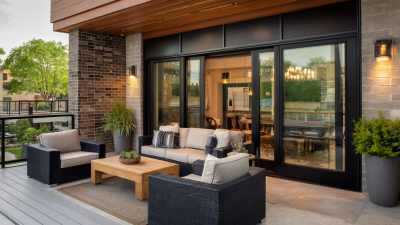
| 1 | Black Sliding Patio Doors | One or more panels slide horizontally along tracks. | Thermally broken aluminum, uPVC, or timber. | Two-panel or three-panel systems; one fixed panel is common. | Excellent; panels do not swing into the room or patio. | Generally good when fitted with insulated glass, compression seals, and properly drained tracks. | Multi-point locking, anti-lift blocks, laminated glass, and reinforced track areas. | Compact patios, apartments, balconies, and living rooms with limited clearance. | Simple operation, wide availability, and efficient use of floor space. | Track cleaning is necessary; the clear opening is usually narrower than the overall frame. | ★★★★★ |
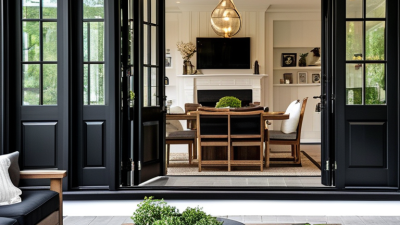
| 2 | Black French Patio Doors | Two hinged panels open inward or outward from the center. | Timber, aluminum, uPVC, or composite materials. | Usually a pair of equal-size doors with a central meeting stile. | Moderate; swing clearance is required on both sides. | Good performance is possible with compression gaskets, insulated frames, and low-emissivity glazing. | Multi-point locks, hinge protection, security cylinders, and laminated or toughened glass. | Traditional homes, garden rooms, dining areas, and heritage-style projects. | Wide access, classic appearance, and easy cleaning from both sides. | Requires clear swing space and may be affected by strong wind if left open. | ★★★★★ |
| 3 | Black Bi-Fold Patio Doors | Multiple narrow panels fold and stack to one or both sides. | Aluminum is common; timber and composite options are also available. | Two to seven or more connected panels, depending on the system design. | Very good when open; some stacking space is needed at the jambs. | Good when using engineered seals, insulated glazing, and correctly installed thresholds. | Multi-point locking, anti-finger-trap details, robust hinges, and secure panel connectors. | Indoor-outdoor entertaining areas and wide openings overlooking gardens or terraces. | Creates a large open connection and provides flexible ventilation. | More hardware and adjustment points; the central sightlines can be wider than those of sliding systems. | ★★★★★ |
| 4 | Black Multi-Slide Patio Doors | Several large panels slide in the same direction or into a wall pocket. | Thermally broken aluminum is widely used for large spans. | Three to six or more panels, often with one or more moving leaves. | Excellent, especially with a pocket system that conceals the panels. | Strong potential for weather resistance, but installation quality and drainage design are critical. | Heavy-duty locks, anti-lift devices, laminated glass, and structural reinforcement. | Modern homes, luxury renovations, commercial hospitality spaces, and expansive views. | Very wide openings, slim sightlines, and smooth indoor-outdoor transitions. | Higher structural, transport, and installation requirements; large panels can be heavy. | ★★★★☆ |
| 5 | Black Lift-and-Slide Patio Doors | The handle lifts the panels slightly from the seals before they slide. | Thermally broken aluminum or reinforced composite systems. | Two or more oversized panels with a raised sill and precision rollers. | Excellent; large leaves move with relatively low operating force. | Very good when combined with insulated frames, multi-chamber seals, and an engineered sill. | Multipoint locking, anti-lift protection, laminated safety glass, and concealed locking components. | Large openings, coastal residences, high-end residential projects, and commercial developments. | Supports large glass panels while maintaining smooth movement and strong sealing. | Usually more expensive and more dependent on precise structural support and installation. | ★★★★☆ |
| 6 | Black Center-Hinged Patio Doors | A single door leaf pivots on side hinges and opens in one direction. | Timber, aluminum, uPVC, steel, or fiberglass-reinforced composite. | One active leaf, sometimes paired with a fixed sidelight or matching panel. | Moderate to low; the door needs a clear arc for opening. | Performance varies widely; weatherstripping and a properly sealed threshold are important. | Deadbolt or multi-point lock, reinforced strike plate, hinge bolts, and safety glazing. | Small patios, side entrances, utility areas, and narrow exterior wall openings. | Cost-effective, easy to operate, and suitable for smaller openings. | Provides less clear width than double or sliding systems and needs swing clearance. | ★★★★☆ |
| 7 | Black Pivot Patio Doors | A large panel rotates on pivot hardware positioned away from the side jambs. | Aluminum, steel, timber, or composite construction. | One oversized leaf, sometimes designed as a statement entrance to an outdoor space. | Moderate; the pivot arc occupies space on both sides of the opening. | Good performance requires precision seals, correct alignment, and a carefully designed sill. | Heavy-duty pivot set, multipoint locking, safety glass, and anti-tamper hardware. | Contemporary architecture, wide single openings, and design-focused residential projects. | Distinctive appearance and suitability for unusually large or tall door leaves. | Requires careful engineering; the opening may not seal as tightly as a conventional hinged door. | ★★★☆☆ |
| 8 | Black Tilt-and-Turn Patio Doors | The sash tilts inward for ventilation or turns inward for full access. | uPVC, timber, aluminum, or hybrid frames. | Single or paired sashes, often used in smaller patio openings. | Good for ventilation; moderate when the sash is fully opened. | Very good when the compression seal, drainage channels, and insulated glazing are correctly specified. | Multipoint locking around the frame, secure handle mechanisms, and laminated safety glass. | Cooler climates, upper-floor rooms, balconies, and spaces needing controlled ventilation. | Combines secure ventilation with a full opening function and strong compression sealing. | Inward opening can restrict furniture placement and may not suit every exterior layout. | ★★★★☆ |
| 9 | Black Steel-Framed Patio Doors | Usually hinged, French-style, or fixed-and-hinged systems with narrow steel profiles. | Galvanized or corrosion-protected steel with a durable black coating. | Single doors, paired doors, or large glazed assemblies with slim profiles. | Moderate; depends on the opening style selected. | Traditional steel can conduct heat; thermally broken steel improves insulation and condensation control. | Multipoint locking, reinforced frames, laminated glass, and corrosion-resistant hardware. | Industrial-style homes, renovations, heritage properties, and design-led interiors. | Strong frame construction, narrow sightlines, and a distinctive architectural appearance. | Heavier than many alternatives and may require more maintenance in humid or coastal conditions. | ★★★★☆ |
| 10 | Black Screened Patio Door Systems | A glazed patio door is combined with a retractable, sliding, or hinged insect screen. | Aluminum, fiberglass, uPVC, or timber door frames with mesh screen panels. | Screening may be installed with sliding, hinged, bi-fold, or retractable door layouts. | Good; the screen preserves ventilation while limiting insect entry. | Depends mainly on the glazed door behind the screen; mesh improves airflow but is not an insulating barrier. | Secure screen latches, child-safe operation, durable mesh, and a lockable glazed door behind it. | Warm climates, tropical regions, outdoor kitchens, and homes requiring frequent ventilation. | Improves airflow and insect protection while maintaining a coordinated black exterior finish. | Mesh requires repair or replacement if damaged and does not replace a secure exterior door. | ★★★☆☆ |

Top 10 Types of Black Patio Doors for Global Buyers
Black patio doors create a strong architectural contrast, but their performance depends on more than color. Aluminum frames suit modern homes and resist moisture, while reinforced vinyl offers insulation with less maintenance. Timber provides warmth and repairability, although it needs careful sealing in humid climates. Fiberglass is stable, but local availability can affect cost and replacement time.
Common styles include sliding, stacking, folding, French, pivot, and lift-and-slide doors. Each opening mechanism changes ventilation, clearance, and daily comfort. Sliding doors save interior space, but their tracks require regular cleaning. Folding systems create wider openings, yet hardware alignment becomes critical. Lift-and-slide doors move smoothly with large glass panels, though installation must be precise. A perfect specification rarely exists.
Glass selection deserves equal attention. Double glazing supports energy efficiency in moderate climates, while triple glazing benefits colder regions. Low-emissivity coatings can reduce heat transfer without making rooms feel dark. Laminated glass improves safety and limits dangerous fragments after breakage. In hot areas, solar-control glass may reduce glare, but it can also change indoor color perception. Frame drainage, thermal breaks, weather seals, and tested air leakage ratings should be checked against local conditions.
Tips: Request performance data, not attractive photographs. Check wind-load requirements, drainage details, and replacement access. Compare threshold height with accessibility needs. Test sample hardware before ordering. I would also inspect black finishes in direct sunlight; some surfaces become noticeably hot, and that detail is easy to underestimate.
Matching Door Types to Climate, Architecture, and Security Needs
Black patio doors can sharpen a pale stone façade or frame a garden like artwork. The right type depends on climate, wall space, and daily movement. Single hinged and French doors suit traditional homes with sheltered openings. Sliding doors save floor space and work well in compact apartments. Lift-and-slide systems create wider views but need accurate installation. Bi-fold and folding doors open broad walls for warm, dry regions. Multi-slide, telescoping, pivot, and corner-opening doors suit modern architecture, though their hardware requires careful planning.
Black surfaces absorb more solar heat, especially in strong climates. Choose thermally broken frames and low-emissivity glass for hot locations. In cold regions, insulated frames and warm-edge spacers can reduce interior condensation.
Coastal buyers should request corrosion-resistant hardware and inspect drainage paths. Windy areas need tested pressure ratings, not attractive appearance alone. Heavy rainfall also exposes weak thresholds quickly.
Security should match the property, not just the door style. Laminated glass, reinforced meeting rails, and multi-point locks can improve resistance. A narrow sliding door may look elegant, but its lock and frame connection deserve close inspection. I have found that spectacular opening widths sometimes create maintenance burdens. Bigger is not always better. Check local building requirements, emergency access, and installer qualifications before ordering. Climate data and site measurements should guide the final choice, even when a showroom display looks convincing.
Black patio doors bring a strong architectural contrast, but global installation requires more than choosing a stylish frame.
Common options include sliding, folding, French, lift-and-slide, pivot, multi-panel, and slim-profile doors. Each type suits different wall openings, traffic patterns, and climate conditions.
A narrow balcony may need a sliding system, while a wide garden opening can support folding or multi-panel doors.
Measure the structural opening carefully, including height, width, sill depth, and drainage space. Local building rules may require specific safety glass, wind-load resistance, thermal performance, or emergency exit dimensions.
In tropical regions, prioritize durable finishes, corrosion-resistant hardware, and effective rain drainage. Coastal projects need extra protection against salt air.
Cold climates usually need insulated frames and low-emissivity glazing to reduce heat loss.
Check the door’s opening direction before installation.
Black surfaces absorb more solar heat than pale finishes. On sun-facing elevations, thermal movement can affect alignment and operation. A ventilated cavity, suitable glass, and accurate fitting may reduce this risk.
I have found that installation tolerance is often underestimated, especially in renovation projects. Small errors can cause rubbing, air leakage, or uneven locks. Some specifications still look perfect on paper, yet the site conditions change everything. Confirm wall structure, floor levels, local labor skills, replacement parts, and maintenance access before approving the final door schedule.