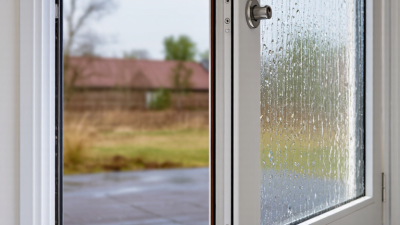
Vinyl doors have moved from a regional building choice to a familiar option for global buyers. Their appeal is practical: resistance to moisture, limited repainting, and simple cleaning with soap and water. A white vinyl door can remain presentable in a busy entrance, where painted timber may show scratches and swelling.
Market evidence supports this interest. Fortune Business Insights’ Doors Market report identifies residential construction, renovation, and energy efficiency as major demand drivers. Grand View Research also reports strong growth across vinyl and uPVC building products, especially where manufacturers improve insulation and weather sealing. These findings help explain why vinyl doors appear in apartments, coastal homes, schools, and commercial renovations. The U.S. Department of Energy further notes that efficient doors and windows can reduce unwanted heat transfer when frames, glazing, and installation work together.
Performance depends on details.
A well-designed vinyl door usually combines a multi-chamber frame, insulated core, durable hardware, and compression seals. Those features can improve comfort beside a cold hallway or a sun-facing entrance. Buyers also value consistent factory finishes, because color does not require frequent on-site painting. However, the material is not perfect. Poorly formulated profiles may discolor, soften in extreme heat, or perform poorly after incorrect installation. Recycling systems also differ widely between countries.
That limitation deserves attention. A low purchase price alone does not prove long-term value. Professional testing, warranty terms, climate suitability, and installer experience should guide the decision. For many international projects, vinyl doors offer a balanced mix of cost, maintenance, and everyday thermal performance. Their popularity is understandable, but careful specification still matters.
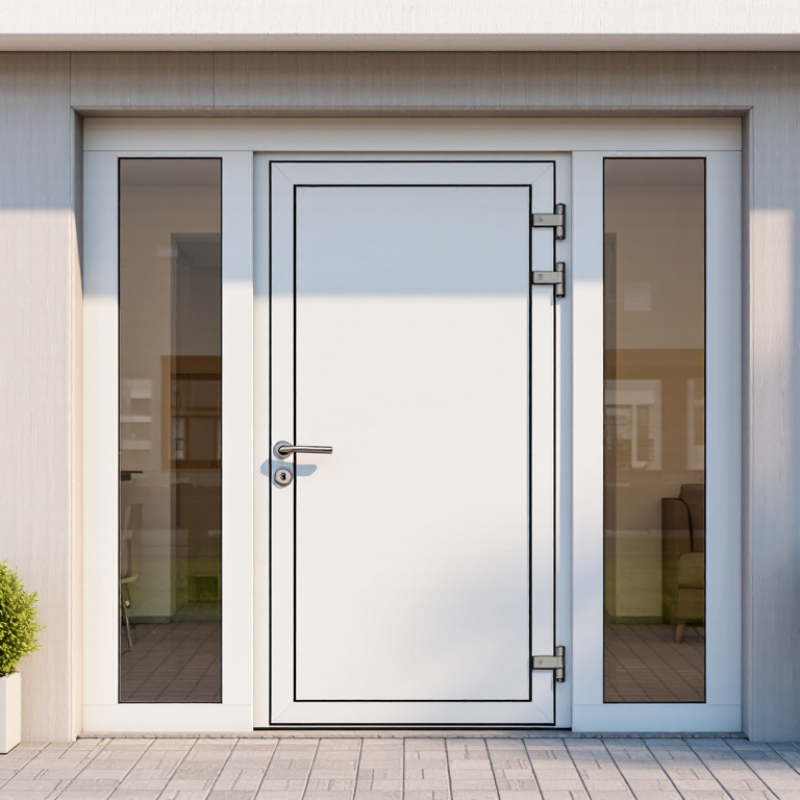
Vinyl doors are made mainly from PVC, a durable plastic shaped into frames, panels, or profiles. Many designs include steel or aluminum reinforcement for added stability. Inside, the panel may contain foam, honeycomb material, or a hollow structure. This keeps the door relatively light while improving insulation.
The door works through simple mechanical parts. Hinges support swinging models, while rollers guide sliding doors. When closed, rubber seals press against the frame and reduce drafts, rain, dust, and outside noise. A multi-point lock can pull the panel evenly against these seals. Vinyl also resists moisture and does not rust, which helps in humid coastal areas. However, poor installation can cause gaps, sticking, or early seal damage. Material quality matters too. Some darker surfaces may fade under intense sunlight. I have found that the hardware often needs attention before the vinyl itself.
Tips: Check the frame for reinforcement before buying. Ask about the seal design and drainage channels. Measure the opening carefully, including wall unevenness. Clean the surface with mild soap, not abrasive chemicals. Inspect hinges, rollers, and locks every few months. A door can look strong but still perform poorly when installed without accurate leveling.
Vinyl doors attract global buyers because their useful features are easy to see and measure. Many systems combine reinforced frames with insulated panels. They resist moisture, rot, and repeated repainting. In coastal homes, that matters when salt air reaches hinges and thresholds. Multi-chamber profiles and compression seals can also reduce drafts. The U.S. Department of Energy estimates air leakage may represent 5% to 30% of home heating energy. That range makes installation quality important, not optional.
Energy performance is another strong selling point. Buyers can compare U-factor, solar heat gain coefficient, visible transmittance, and air leakage through NFRC labels. ENERGY STAR certification applies climate-specific criteria, rather than one universal threshold. The International Energy Agency’s 2023 Global Status Report for Buildings and Construction states that buildings used about 30% of global final energy in 2022. A tighter door cannot solve that burden alone. Yet it can reduce a cold draft beside a sofa or bedroom desk.
Durability supports demand, too. ASTM and AAMA/WDMA/CSA testing evaluates air leakage, water penetration, and structural performance. Buyers should request test results, not trust a glossy finish. Vinyl is low-maintenance, but not maintenance-free. Dark colors may expand under intense sunlight. Poor hardware can loosen first. Recycling remains uneven across markets. That weakness deserves more attention. Proper flashing, replaceable seals, and local climate data should influence the purchase. The cheapest quotation may hide installation risk.
Vinyl doors have become popular with global buyers because they offer practical performance at a manageable cost. Compared with natural wood, vinyl resists moisture, insects, and peeling paint. It also needs less seasonal maintenance. However, vinyl is not perfect. Low-quality profiles may warp under intense heat or feel less solid during daily use. Professional installation still matters, especially in regions with strong sunlight, heavy rain, or wide temperature changes.
Compared with aluminum, vinyl usually provides better insulation and feels warmer indoors. Aluminum can offer slimmer frames and strong structural performance, but it may transfer heat unless it includes a thermal break. Fiberglass often looks more substantial and handles temperature changes well, though its purchase price can be higher. Steel remains valuable for demanding security requirements, yet it may require better corrosion protection. Wood offers natural texture and easy refinishing, but moisture control and regular maintenance are essential. No material wins every test.
Tips: Check the door’s reinforcement, seals, drainage holes, and warranty terms. Ask for thermal and impact data, not only appearance photos. Measure the opening carefully. A beautiful door can still perform poorly when fitting is rushed. Also consider local repair access, since imported components may take longer to replace.
Vinyl doors are widely considered because their low thermal conductivity, moisture resistance, and low maintenance requirements support energy efficiency and long-term usability. Compared with other common materials, vinyl offers a balanced combination of insulation and durability.
The chart compares representative thermal conductivity values for common door materials. Lower values generally indicate better resistance to heat transfer. Values are typical material-property figures based on ISO 10456 and commonly reported engineering ranges; the thermal performance of a complete door also depends on its internal structure, glazing, seals, frame, and installation quality.
Vinyl doors are common in residential buildings, especially in kitchens, bathrooms, laundry rooms, and entryways. Their moisture resistance suits rooms where steam, splashes, and frequent cleaning are normal. In busy homes, a smooth vinyl surface can be wiped clean with a damp cloth. That practical detail matters more than appearance alone.
Many property owners also use vinyl doors in apartments and rental housing. They are lightweight, economical, and available in several colors and panel styles. Contractors often choose them for renovation projects because installation usually causes less disruption than heavier door systems. They also appear in offices, clinics, schools, and small retail spaces. These areas need doors that can handle repeated opening and closing.
Coastal homes use vinyl doors in places exposed to humid air and salt. However, vinyl is not maintenance-free. Poor installation can allow water to reach the frame or wall. Strong sunlight may also affect color over time, depending on the material quality. That assumption needs checking. Before choosing a door, buyers should consider local climate, traffic level, ventilation, and hardware strength. In my experience, the best results come from accurate measurements and careful sealing, not from the door material alone.
| Application or Buyer Concern | Where Vinyl Doors Are Commonly Used | Why Buyers Choose Vinyl Doors | Relevant Performance Characteristics | Important Selection Consideration |
|---|---|---|---|---|
| Exterior residential entrances | Detached houses, apartments, townhouses, and low-rise residential buildings | Good resistance to rain, humidity, and everyday dirt; routine maintenance is generally limited to cleaning and hardware inspection | PVC-based profiles do not rust and can provide thermal insulation when combined with multi-chamber profiles, insulated panels, and sealed glazing | Check frame reinforcement, weather seals, drainage design, locking points, and local wind-load requirements |
| Balcony and patio access | Residential balconies, terraces, garden rooms, and sunrooms | Large glazed formats can provide daylight and outdoor access while offering a relatively low-maintenance frame material | Sliding, tilt-and-turn, and hinged configurations are available; insulated glazing can improve comfort and reduce heat transfer | For wide openings, verify sash weight limits, track drainage, threshold height, roller durability, and resistance to wind pressure |
| Bathrooms and wet areas | Bathrooms, laundry rooms, changing areas, utility rooms, and indoor pool facilities | Moisture resistance makes vinyl suitable for locations where timber may swell or require more frequent surface protection | The material is not susceptible to corrosion from ordinary household moisture and is easy to wipe clean | Use suitable hinges, ventilation, privacy glazing or panels, and mold-resistant sealants; avoid using ordinary interior products where fire or smoke ratings are required |
| Coastal and humid climates | Coastal housing, tropical residential projects, seaside apartments, and humid urban areas | Vinyl profiles do not rust, which is an advantage compared with unprotected steel components in damp or salt-laden environments | Good moisture resistance; hardware, fasteners, hinges, and locking components still require corrosion-resistant specifications | Select hardware designed for coastal exposure and inspect seals, drainage holes, and metal reinforcement during maintenance |
| Cold and mixed climates | Homes and buildings in regions with cold winters, seasonal temperature changes, or heating and cooling demands | Insulated vinyl frames and sealed glazing can help reduce drafts and improve indoor comfort | Whole-door thermal performance depends on frame design, glazing, panel insulation, spacer systems, seals, and installation quality | Compare tested whole-door U-value and air-leakage results rather than judging performance from frame material alone |
| Low-rise commercial buildings | Small offices, clinics, educational buildings, retail units, and low-traffic service areas | Light weight, straightforward cleaning, and multiple opening styles can simplify routine building operation | Suitable for light-to-moderate traffic when the frame, hinges, closers, and locking system are correctly specified | Confirm accessibility clearances, impact resistance, emergency-exit requirements, fire classification, and expected daily cycles |
| Renovation and replacement projects | Replacement of aging timber or metal doors in homes, apartments, and small commercial properties | Available in common hinged, sliding, and glazed configurations, allowing replacement without changing the basic function of the opening | Can improve air sealing and reduce maintenance when the new frame is correctly measured, leveled, sealed, and fixed | Accurate site measurement is essential; account for sill height, wall condition, opening tolerances, flashing, and water-management details |
| Appearance and design flexibility | Modern residential façades, apartment interiors, balconies, and utility areas | Available in different colors, surface finishes, glazing layouts, panel designs, and opening directions | Smooth surfaces are generally easy to clean; lighter colors may reduce visible heat-related expansion compared with darker finishes | For strong sunlight or large dark-colored elements, verify thermal-expansion allowances and installation clearances |
| Security and high-traffic requirements | Residential entrances and selected light-commercial locations where security needs are moderate | Can accommodate multi-point locks, reinforced profiles, laminated glazing, and security hardware when engineered as a complete system | Security depends on the complete door assembly, including frame reinforcement, lock design, hinges, glazing, cylinder protection, and installation | For banks, industrial facilities, high-security sites, or severe-impact areas, compare tested security and fire-rated systems rather than selecting by material alone |
| Sustainability and lifecycle cost | Projects seeking lower routine maintenance and long service use under normal exposure conditions | Long service life, low repainting needs, and recyclable PVC content can support lifecycle-cost objectives | Environmental performance depends on product durability, recycled content, energy efficiency, repairability, and end-of-life collection systems | Request product documentation covering material composition, recycled content, service life, repair parts, and local recycling options |
Note: Actual performance varies according to profile construction, reinforcement, glazing or panel design, hardware, installation quality, local climate, and applicable building regulations.
Vinyl doors attract global buyers because they resist moisture, need little painting, and offer stable performance. Their clean surfaces also suit apartments, offices, and coastal homes. However, popularity should not replace careful evaluation. A door that performs well in one climate may fail in another.
Before purchasing, check the local climate, wall opening, and installation conditions. Strong sunlight can affect color over time, especially on dark surfaces. Cold regions require suitable insulation and weather seals. Humid areas need reliable drainage around the frame. Measure the opening twice, including thickness, height, and clearance. Small measurement errors can create expensive delays. Buyers should also confirm glass specifications, hardware quality, ventilation needs, and tested energy performance. Ask for installation instructions and product test records. A low price may hide weak hinges or poor sealing. That possibility deserves attention.
Tips: Request a complete quotation, not only the door price. Confirm packaging, delivery protection, installation responsibility, and warranty coverage in writing. Compare sample corners, seals, and locking points before placing a large order. Check whether replacement parts can be supplied later. A practical supplier should answer technical questions clearly and admit product limitations. Buyers should also review regional building requirements with a qualified local professional. I have found that buyers sometimes focus on appearance first, then regret ignoring maintenance access. Vinyl is not maintenance-free. Clean drainage channels and inspect seals periodically.